

Are silicone strips easy to apply?
Silicone strips have become a popular choice in various industries due to their unique properties and wide range of applications. As a supplier of silicone strips, I often get asked whether these strips are easy to apply. In this blog post, I'll delve into this question, exploring the factors that influence the ease of application and sharing some practical insights based on my experience in the industry.
Understanding Silicone Strips
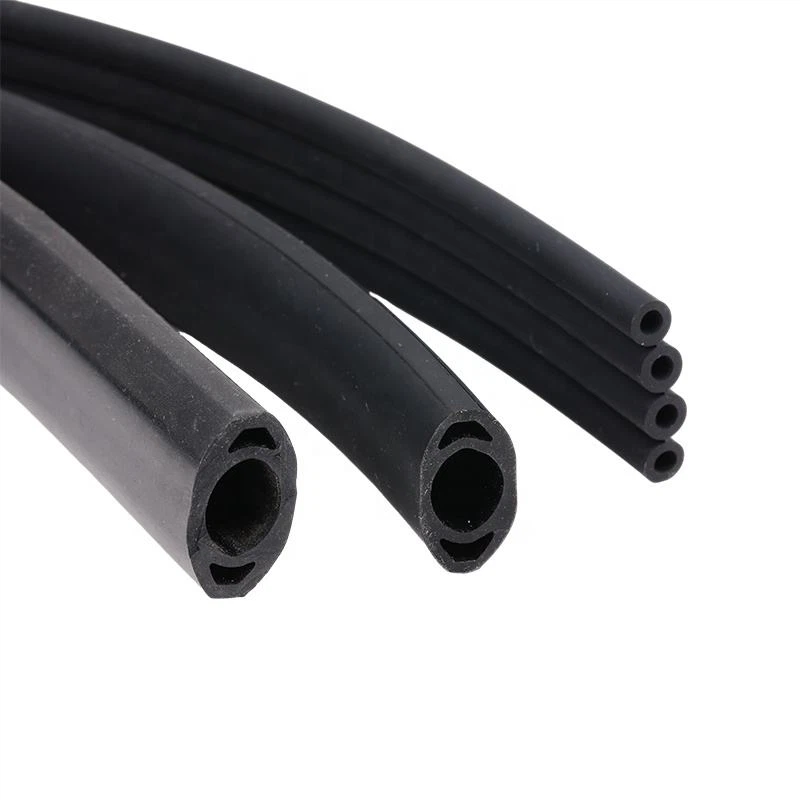
Before we discuss the application process, it's essential to understand what silicone strips are. Silicone strips are made from silicone rubber, a synthetic elastomer known for its excellent heat resistance, flexibility, chemical stability, and weatherability. These strips come in different shapes, sizes, and hardness levels to meet diverse application requirements. For instance, we offer Silicone Sponge Foam Strip, U Shaped Rubber Strip, and Special Shaped Silicone Strip, each designed for specific purposes.
Factors Affecting the Ease of Application
1. Surface Preparation
One of the most critical factors in applying silicone strips is the surface to which they will be attached. A clean, dry, and smooth surface is essential for proper adhesion. Any dirt, oil, or debris on the surface can prevent the silicone strip from bonding effectively. Therefore, it's crucial to thoroughly clean the surface before application. Depending on the surface material, you may use a suitable cleaner or solvent to remove contaminants. For example, if applying the strip to a metal surface, you might use a degreaser to ensure optimal adhesion.
2. Strip Design and Shape
The design and shape of the silicone strip also play a significant role in the ease of application. Simple, straight strips are generally easier to apply than complex, irregularly shaped ones. For instance, a standard rectangular silicone strip can be easily cut to the desired length and applied to a flat surface. On the other hand, special-shaped silicone strips, such as those with intricate curves or custom profiles, may require more skill and precision during installation. However, with proper training and the right tools, even these complex strips can be applied effectively.

3. Adhesive Type
Many silicone strips come with an adhesive backing, which simplifies the application process. The type of adhesive used can impact the ease of application and the quality of the bond. Pressure-sensitive adhesives (PSAs) are commonly used on silicone strips because they are easy to apply and provide a strong bond with minimal pressure. However, the performance of PSAs can be affected by factors such as temperature and surface texture. In some cases, a more specialized adhesive may be required for optimal results, especially in high-temperature or high-stress applications.

4. Installation Tools
Using the right installation tools can significantly improve the ease of applying silicone strips. For simple applications, a pair of scissors or a utility knife may be sufficient to cut the strip to the desired length. However, for more precise cuts or for installing strips in hard-to-reach areas, specialized tools such as silicone strip cutters or applicators may be necessary. These tools can help ensure a clean, accurate cut and make the installation process faster and more efficient.
Step-by-Step Guide to Applying Silicone Strips
1. Measure and Cut the Strip
Start by measuring the length of the area where you need to apply the silicone strip. Use a ruler or measuring tape to get an accurate measurement. Then, use a sharp pair of scissors or a utility knife to cut the strip to the desired length. Make sure to cut the strip straight and clean to ensure a proper fit.
2. Prepare the Surface
Thoroughly clean the surface where the strip will be applied. Remove any dirt, oil, or debris using a suitable cleaner or solvent. Allow the surface to dry completely before proceeding.
3. Remove the Adhesive Backing
If the silicone strip has an adhesive backing, carefully peel off the backing paper. Start at one end of the strip and slowly peel the backing away, being careful not to touch the adhesive surface with your fingers.
4. Apply the Strip
Align the strip with the edge of the surface and gently press it into place. Start at one end and work your way along the length of the strip, applying firm pressure to ensure good adhesion. Use a roller or a flat tool to smooth out any air bubbles or wrinkles as you go.
5. Trim the Excess
Once the strip is fully applied, use a sharp knife or scissors to trim any excess material at the ends. Make sure the edges are clean and straight for a professional-looking finish.
Tips for Easy Application
- Work in a Clean Environment: A clean workspace helps prevent dirt and debris from getting on the adhesive surface, ensuring a strong bond.
- Take Your Time: Rushing the application process can lead to mistakes and poor adhesion. Take your time to measure, cut, and apply the strip carefully.
- Test the Adhesion: Before applying the strip to the final surface, it's a good idea to test the adhesion on a small, inconspicuous area. This will help you ensure that the strip adheres properly and that there are no issues with the adhesive.
- Follow the Manufacturer's Instructions: Always follow the manufacturer's instructions for applying the silicone strip. This includes any specific surface preparation requirements, temperature limitations, or curing times.
Conclusion
In general, silicone strips are relatively easy to apply, especially when the proper surface preparation, strip design, adhesive type, and installation tools are used. By following the steps outlined in this guide and keeping these tips in mind, you can ensure a successful application and enjoy the benefits of silicone strips in your projects.
If you're interested in purchasing silicone strips for your specific application, we'd love to hear from you. Our team of experts can help you choose the right product and provide you with all the information you need for a successful installation. Contact us today to start the conversation and explore how our silicone strips can meet your needs.
References
- ASTM International. (Year). Standard test methods for rubber property - vulcanization using rotorless curing meters. ASTM D5289.
- Dow Corning. (Year). Silicone rubber product guide.
- International Institute of Synthetic Rubber Producers. (Year). Synthetic rubber manual.