

High temperature silicone hoses are widely recognized for their exceptional performance in demanding environments. As a leading supplier of high temp silicone hoses, I often encounter inquiries from customers about the maintenance requirements of these specialized hoses. In this blog post, I will delve into the topic of whether high temp silicone hoses require special maintenance, providing insights based on scientific knowledge and industry experience.
Understanding High Temp Silicone Hoses
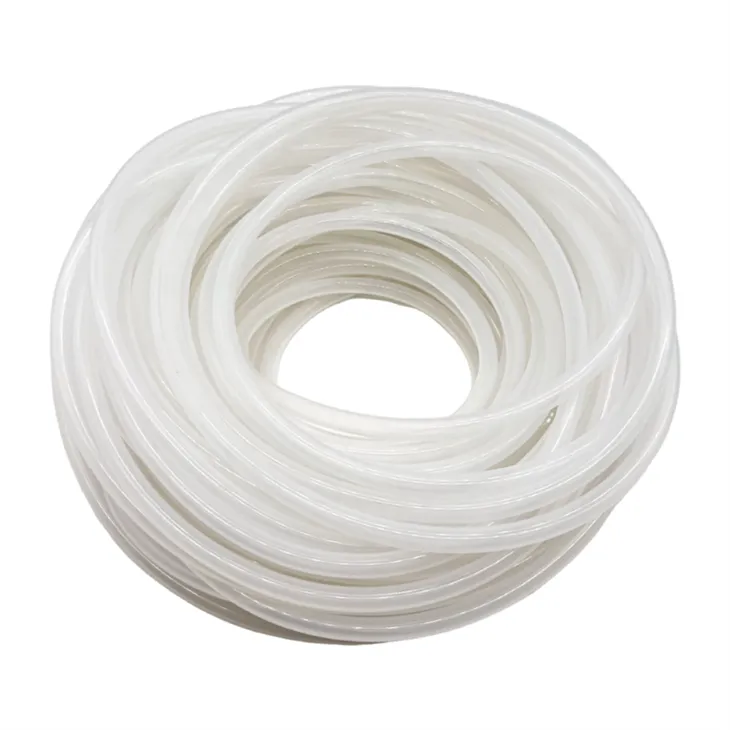
Before discussing maintenance, it's essential to understand what high temp silicone hoses are and why they are used. High temp silicone hoses are made from silicone rubber, a synthetic elastomer known for its excellent heat resistance, flexibility, and chemical stability. These hoses are designed to withstand extreme temperatures, ranging from -60°C to 230°C (-76°F to 446°F), making them suitable for a variety of applications, including automotive, aerospace, industrial, and medical.
In the automotive industry, high temp silicone hoses are commonly used in engine cooling systems, turbocharger systems, and intake manifolds. They can handle the high temperatures and pressures generated by the engine, ensuring reliable performance and preventing leaks. In the aerospace industry, these hoses are used in aircraft engines, hydraulic systems, and environmental control systems, where they must withstand extreme conditions and meet strict safety standards.
In the industrial sector, high temp silicone hoses are used in a wide range of applications, such as chemical processing, food and beverage production, and pharmaceutical manufacturing. They are resistant to many chemicals, oils, and solvents, making them ideal for transporting fluids and gases in harsh environments. In the medical field, Medical Transparent Silicone Tubing and Silicone Medical Tubing are used for various applications, including medical devices, drug delivery systems, and laboratory equipment.
General Maintenance Requirements
High temp silicone hoses are relatively low-maintenance compared to other types of hoses. However, like any other component, they require regular inspection and proper care to ensure optimal performance and longevity. Here are some general maintenance requirements for high temp silicone hoses:
Visual Inspection
Regular visual inspection is the first step in maintaining high temp silicone hoses. Check the hoses for any signs of damage, such as cracks, cuts, abrasions, or bulges. Look for signs of wear and tear, such as thinning of the hose wall or loss of flexibility. Inspect the hose connections for any signs of leakage, such as wet spots or stains. If you notice any damage or signs of wear, replace the hose immediately to prevent further problems.

Cleaning
Cleaning high temp silicone hoses is important to remove dirt, debris, and contaminants that can accumulate on the surface of the hose. Use a mild detergent and warm water to clean the hoses, and rinse them thoroughly with clean water. Avoid using harsh chemicals or abrasive cleaners, as they can damage the silicone rubber. After cleaning, dry the hoses completely before reinstalling them.
Storage
Proper storage of high temp silicone hoses is essential to prevent damage and ensure their longevity. Store the hoses in a cool, dry place away from direct sunlight, heat sources, and chemicals. Avoid storing the hoses in a compressed or bent position, as this can cause permanent deformation. If possible, store the hoses on a flat surface or hang them vertically to prevent kinking.
Tightening Connections
Check the hose connections regularly to ensure they are tight and secure. Loose connections can cause leaks, which can lead to loss of fluid or gas and potential damage to the system. Use a wrench or pliers to tighten the connections as needed, but be careful not to over-tighten them, as this can damage the hose or the fitting.
Special Maintenance Considerations
While high temp silicone hoses are generally low-maintenance, there are some special maintenance considerations that you should be aware of, depending on the application and the environment in which the hoses are used. Here are some examples:
Chemical Exposure
If the high temp silicone hoses are exposed to chemicals, oils, or solvents, it's important to choose hoses that are resistant to these substances. Check the chemical compatibility chart provided by the hose manufacturer to ensure that the hoses are suitable for the specific chemicals or fluids they will be transporting. In addition, clean the hoses regularly to remove any chemical residues that can accumulate on the surface of the hose.
High Temperatures
High temp silicone hoses are designed to withstand extreme temperatures, but prolonged exposure to high temperatures can cause the silicone rubber to degrade over time. To prevent this, make sure that the hoses are installed in a location where they are not exposed to direct heat sources, such as exhaust pipes or heaters. In addition, use heat shields or insulation to protect the hoses from high temperatures.
Pressure Cycling
If the high temp silicone hoses are subjected to pressure cycling, such as in a hydraulic system or a pneumatic system, it's important to choose hoses that are designed to withstand the specific pressure and cycling conditions. Check the pressure rating and the cycle life of the hoses provided by the manufacturer to ensure that they are suitable for the application. In addition, inspect the hoses regularly for any signs of fatigue or damage, such as cracks or bulges.
Abrasion
If the high temp silicone hoses are exposed to abrasion, such as in a moving or vibrating system, it's important to choose hoses that are resistant to abrasion. Look for hoses with a reinforced outer layer or a protective coating to prevent damage from abrasion. In addition, use hose clamps or supports to keep the hoses in place and prevent them from rubbing against other components.
Conclusion
In conclusion, high temp silicone hoses do not require special maintenance in most cases. However, they do require regular inspection and proper care to ensure optimal performance and longevity. By following the general maintenance requirements and considering the special maintenance considerations discussed in this blog post, you can ensure that your high temp silicone hoses will provide reliable service for many years to come.
If you are in the market for high temp silicone hoses, Reinforced Silicone Rubber Tubes are an excellent choice. They offer superior strength, durability, and flexibility, making them suitable for a wide range of applications. As a leading supplier of high temp silicone hoses, we offer a wide selection of hoses in various sizes, shapes, and configurations to meet your specific needs. Our hoses are made from high-quality silicone rubber and are designed to meet or exceed industry standards.
If you have any questions or need further information about high temp silicone hoses or our products, please do not hesitate to contact us. We are always happy to help you find the right solution for your application. Whether you are a small business or a large corporation, we can provide you with the high-quality products and excellent customer service that you deserve. Contact us today to discuss your requirements and start a procurement negotiation.
References
- "Silicone Rubber Handbook" by A. Y. Coran
- "High Temperature Polymers: Synthesis, Characterization, and Applications" by K. L. Mittal
- "Handbook of Elastomers" by B. S. Nijhawan