

Hey there! As a supplier of Silicone Foam Strips, I often get asked about the adhesion of these strips to different materials. It's a crucial question, especially for those looking to use them in various applications. So, let's dive right in and explore how well silicone foam strips stick to different stuff.
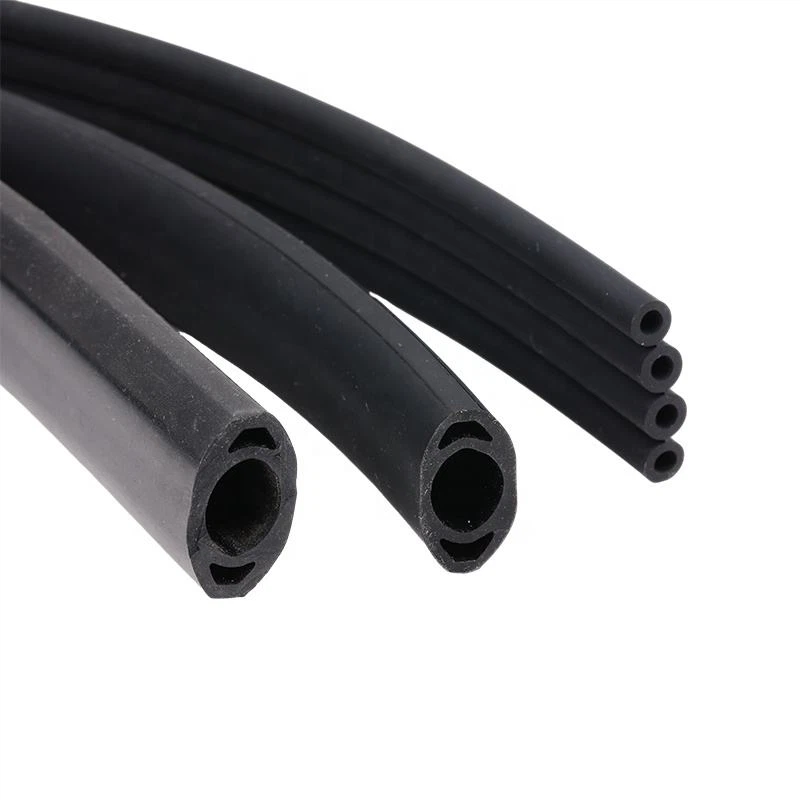
First off, let's understand what silicone foam strips are. They're flexible, lightweight, and have excellent sealing and cushioning properties. You can find them in a wide range of industries, from automotive to electronics, and even in household items. Silicone Foam Strips come in different shapes, sizes, and densities, making them versatile for many uses.
Now, onto the big question: how good is their adhesion? Well, it depends on a few factors.
Adhesion to Metals
Metals are commonly used in many industries, and silicone foam strips often need to adhere to them. Generally, silicone foam strips can have good adhesion to metals like aluminum, steel, and stainless steel. The key here is the surface preparation. If the metal surface is clean, free of grease, oil, and oxidation, the silicone foam strip can form a strong bond.
For example, in automotive applications, silicone foam strips are used to seal doors and windows. They need to stick firmly to the metal frames to prevent water and air leakage. By using a proper primer or adhesive promoter, the adhesion can be significantly improved. However, if the metal surface is dirty or has a rough finish, the strip might not adhere as well, and there could be a risk of it peeling off over time.
Adhesion to Plastics
Plastics are another common material that silicone foam strips might need to stick to. The adhesion to plastics can vary depending on the type of plastic. Some plastics, like polycarbonate and acrylic, have a relatively smooth surface, which can make it a bit challenging for the silicone foam strip to adhere.
On the other hand, plastics like ABS and PVC can have better adhesion with silicone foam strips. Just like with metals, surface preparation is crucial. Cleaning the plastic surface with a suitable solvent can remove any contaminants and improve the adhesion. In some cases, using a specialized adhesive or a plastic-compatible primer can also enhance the bond.
For instance, in electronic devices, silicone foam strips are used to provide cushioning and sealing. They need to stick to plastic casings to protect the internal components. If the adhesion is not good, the strip might move around or come off, compromising the functionality of the device.

Adhesion to Glass
Glass is a smooth and non-porous surface, which can make it difficult for silicone foam strips to adhere. However, with the right approach, a good bond can be achieved. One way is to use a silicone-based adhesive or a glass primer. These products can help the silicone foam strip stick to the glass surface more effectively.
In architectural applications, silicone foam strips are used to seal windows and doors. They need to adhere to the glass to prevent air and water infiltration. By carefully applying the adhesive and ensuring a clean glass surface, the silicone foam strip can provide a reliable seal.
Adhesion to Rubber
When it comes to rubber, the adhesion of silicone foam strips can be quite good. Both silicone and rubber are elastomers, which means they have some similar properties. However, the type of rubber matters. Natural rubber, synthetic rubber, and silicone rubber all have different surface characteristics.
For example, if you're using a silicone foam strip to seal a rubber gasket, the adhesion can be improved by using a compatible adhesive. This ensures that the strip and the rubber form a strong bond, preventing any leakage. In some cases, the silicone foam strip can even be vulcanized to the rubber, creating an even more permanent bond.
Factors Affecting Adhesion
Apart from the type of material, there are other factors that can affect the adhesion of silicone foam strips. Temperature is one of them. Extreme temperatures can cause the silicone foam strip to expand or contract, which might affect the bond. High temperatures can also soften the adhesive, reducing its holding power.
Humidity is another factor. If the environment is too humid, it can interfere with the curing process of the adhesive, leading to a weaker bond. It's important to consider the operating conditions when choosing a silicone foam strip and the appropriate adhesive.
The pressure applied during installation also plays a role. Applying enough pressure ensures that the silicone foam strip makes full contact with the surface, promoting better adhesion. If the pressure is uneven or insufficient, there might be areas where the strip doesn't stick properly.
Our Silicone Foam Strips
At our company, we offer a wide range of Silicone Foam Strips that are designed to provide excellent adhesion to different materials. We use high-quality silicone materials and advanced manufacturing processes to ensure the best performance.
Our strips are available in different hardness levels, densities, and thicknesses to meet various application requirements. We also offer custom shapes and sizes, including Special Shaped Silicone Strip, to fit specific needs.
If you're looking for silicone foam strips for your project, we can provide you with samples so you can test the adhesion yourself. Our technical team is also available to offer advice on surface preparation, adhesive selection, and installation techniques to ensure you get the best results.
Conclusion
In conclusion, silicone foam strips can have good adhesion to different materials, but it depends on several factors. Surface preparation, the type of material, and the operating conditions all play a role in determining the strength of the bond. By choosing the right silicone foam strip, using the appropriate adhesive, and following the proper installation procedures, you can achieve a reliable and long-lasting adhesion.
If you're interested in our Silicone Foam Strips or have any questions about their adhesion to different materials, feel free to reach out to us. We'd be happy to discuss your requirements and help you find the best solution for your project.
References
- "Handbook of Adhesives and Sealants" by Andrew Pizzi and K. L. Mittal
- "Silicone Elastomers: Science and Technology" by H. A. Liebowitz