

As a supplier of Silicone Foam Strips, I often get asked if these strips have good electrical insulation resistance. It's a valid question, especially for those in industries where electrical safety is a top priority. So, let's dive into this topic and see what the deal is with silicone foam strips and their electrical insulation properties.
What Are Silicone Foam Strips?
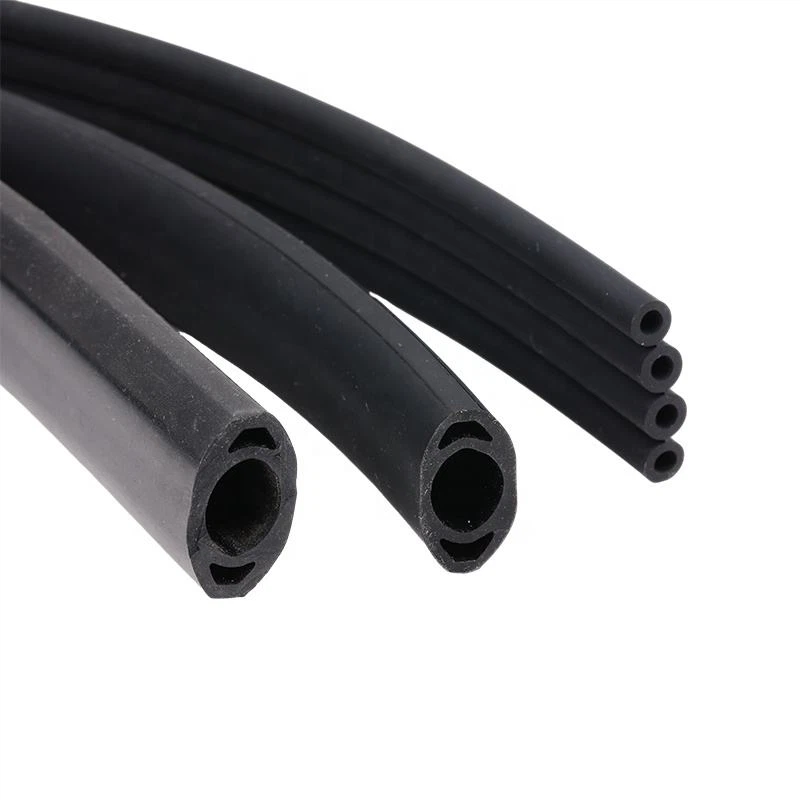
First off, let's quickly go over what silicone foam strips are. They're made from silicone rubber, which is a synthetic elastomer known for its excellent flexibility, durability, and resistance to extreme temperatures. These strips are created by foaming the silicone rubber, which gives them a spongy texture. They come in various shapes, sizes, and densities, making them versatile for a wide range of applications.
You can find different types of silicone foam strips on our website, like Silicone Sponge Strip, Special Shaped Silicone Strip, and Silicone Rubber Sponge Seal. Each type has its own unique features and is suitable for specific uses.
Electrical Insulation Resistance: What Does It Mean?
Before we talk about whether silicone foam strips have good electrical insulation resistance, let's understand what this term means. Electrical insulation resistance is a measure of how well a material can prevent the flow of electric current. In simpler terms, it tells us how good a material is at keeping electricity from passing through it. Materials with high electrical insulation resistance are used to protect people and equipment from electrical shocks and short circuits.
Why Is Electrical Insulation Resistance Important?
In many industries, electrical insulation is crucial for safety and proper functioning of equipment. For example, in the electronics industry, components need to be insulated to prevent electrical interference and damage. In the automotive industry, electrical systems must be well-insulated to avoid malfunctions and potential hazards. Even in our homes, electrical wiring is insulated to protect us from electric shocks.
The Electrical Insulation Properties of Silicone Foam Strips
So, do silicone foam strips have good electrical insulation resistance? The answer is yes, and here's why.
Silicone rubber, the main component of silicone foam strips, is inherently a good electrical insulator. It has a high dielectric strength, which means it can withstand high voltages without breaking down and allowing current to flow. This property makes silicone foam strips suitable for use in applications where electrical insulation is required.
Another advantage of silicone foam strips is their low electrical conductivity. Electrical conductivity is the opposite of electrical insulation resistance. Since silicone foam strips have low conductivity, they effectively block the flow of electric current.
Moreover, silicone foam strips are resistant to moisture and chemicals. Moisture can reduce the electrical insulation properties of many materials, but silicone foam strips can maintain their insulation performance even in humid or wet environments. Chemicals can also damage insulation, but silicone is highly resistant to a wide range of chemicals, ensuring long-term insulation reliability.
Testing the Electrical Insulation Resistance of Silicone Foam Strips
To ensure the quality of our silicone foam strips, we conduct various tests to measure their electrical insulation resistance. One common test is the insulation resistance test, which involves applying a voltage to the strip and measuring the resulting current. Based on Ohm's law (R = V/I, where R is resistance, V is voltage, and I is current), we can calculate the insulation resistance.
We also test the strips under different conditions, such as varying temperatures and humidity levels. This helps us understand how the insulation resistance of the strips changes in real-world scenarios. Our tests have consistently shown that our silicone foam strips meet or exceed industry standards for electrical insulation.
Applications of Silicone Foam Strips in Electrical Insulation
Due to their excellent electrical insulation properties, silicone foam strips are used in a variety of electrical and electronic applications.
In the electronics industry, they are used to insulate circuit boards, connectors, and other components. They can prevent electrical arcing and short circuits, which can damage sensitive electronic devices.
In the power generation and distribution industry, silicone foam strips are used to insulate electrical cables and wires. They protect the cables from environmental factors and ensure safe and reliable power transmission.
In the automotive industry, they are used in electrical systems, such as battery packs and wiring harnesses. Their insulation properties help prevent electrical failures and ensure the proper functioning of the vehicle's electrical components.

Conclusion
In conclusion, silicone foam strips have excellent electrical insulation resistance. Their high dielectric strength, low electrical conductivity, and resistance to moisture and chemicals make them a reliable choice for electrical insulation applications.
If you're in need of high-quality silicone foam strips for your electrical insulation needs, look no further. We're a trusted supplier of silicone foam strips, and we can provide you with the right products for your specific requirements. Whether you need standard or custom-shaped strips, we have the expertise and resources to meet your needs.
Don't hesitate to contact us to discuss your procurement needs. We're here to help you find the best silicone foam strip solutions for your projects.
References
- ASTM D257 - Standard Test Methods for DC Resistance or Conductance of Insulating Materials
- IEC 60243 - Test methods for electrical strength of insulating materials