

Silicone rubber sheets are versatile materials that find applications in a wide range of industries, from electronics to automotive, due to their unique combination of properties. One of the most critical aspects that industries often consider when choosing a material is its electrical insulation properties. In this blog post, I'll explore whether silicone rubber sheets have good electrical insulation properties, and as a silicone rubber sheet supplier, I'll provide insights based on scientific facts and practical experience.
Understanding Electrical Insulation
Before diving into the electrical insulation properties of silicone rubber sheets, it's essential to understand what electrical insulation means. Electrical insulation refers to the ability of a material to resist the flow of electric current. Materials with high electrical resistance are good insulators, while those with low resistance are conductors. Insulators are crucial in electrical systems to prevent short - circuits, protect against electrical shocks, and ensure the proper functioning of electrical components.
The Electrical Insulation Properties of Silicone Rubber Sheets
Silicone rubber sheets are known for their excellent electrical insulation properties. To understand why, we need to look at the molecular structure of silicone rubber. Silicone rubber is a polymer composed of silicon, oxygen, carbon, and hydrogen atoms. The silicon - oxygen backbone in silicone rubber is highly stable and has a low polarizability. This low polarizability means that the material does not easily allow the movement of electric charges through it.
One of the key parameters used to measure electrical insulation is the dielectric strength. Dielectric strength is the maximum electric field that an insulating material can withstand without breaking down and allowing current to flow. Silicone rubber sheets typically have a high dielectric strength, ranging from 15 to 30 kV/mm. This high dielectric strength makes them suitable for use in high - voltage applications, such as in electrical transformers, switchgear, and high - voltage cables.
Another important property is the volume resistivity. Volume resistivity is a measure of how strongly a material opposes the flow of electric current through its bulk. Silicone rubber sheets have a very high volume resistivity, typically in the order of 10^12 to 10^16 ohm - cm. This high volume resistivity indicates that silicone rubber is an excellent insulator, as it restricts the flow of electric current through its volume.
In addition to high dielectric strength and volume resistivity, silicone rubber sheets also have good tracking resistance. Tracking is the formation of a conductive path on the surface of an insulating material due to the presence of contaminants and electrical stress. Silicone rubber's hydrophobic nature and chemical stability give it good tracking resistance, which means it can maintain its electrical insulation properties even in harsh environments with the presence of moisture and contaminants.
Factors Affecting the Electrical Insulation Properties of Silicone Rubber Sheets
While silicone rubber sheets generally have good electrical insulation properties, several factors can affect these properties.
Temperature: Temperature can have a significant impact on the electrical insulation properties of silicone rubber sheets. As the temperature increases, the volume resistivity of silicone rubber decreases, which means it becomes a slightly better conductor. However, silicone rubber can still maintain relatively good insulation properties over a wide temperature range, typically from - 60°C to 200°C. This wide temperature range makes it suitable for use in both high - and low - temperature applications.
Additives: The addition of certain additives to silicone rubber can also affect its electrical insulation properties. For example, conductive additives can be added to silicone rubber to create Conductive Silicone Sheet. These conductive silicone sheets are used in applications where electrical conductivity is required, such as in electromagnetic shielding. On the other hand, some additives can be used to improve the insulation properties further, such as flame - retardant additives, which can enhance the overall performance of the silicone rubber sheet in fire - prone environments.
Contamination: Contamination on the surface of silicone rubber sheets can reduce their electrical insulation properties. Dust, dirt, and chemical substances can form a conductive layer on the surface, leading to a decrease in tracking resistance and an increased risk of electrical breakdown. Regular cleaning and maintenance can help to ensure that the silicone rubber sheets maintain their insulation properties over time.
Applications of Silicone Rubber Sheets Based on Their Electrical Insulation Properties
The excellent electrical insulation properties of silicone rubber sheets make them suitable for a wide range of applications.
Electronics Industry: In the electronics industry, silicone rubber sheets are used as insulators in printed circuit boards (PCBs), electronic enclosures, and connectors. They can prevent electrical short - circuits between different components and protect sensitive electronic devices from electrical interference.
Power Generation and Distribution: In power generation and distribution systems, silicone rubber sheets are used in high - voltage applications. They are used as insulation in transformers, switchgear, and cables to ensure the safe and efficient transmission of electricity.
Automotive Industry: In the automotive industry, silicone rubber sheets are used in electrical systems, such as in wiring harnesses and battery insulation. They can withstand the harsh operating conditions in vehicles, including high temperatures and vibrations, while maintaining their electrical insulation properties.
Our Silicone Rubber Sheet Offerings
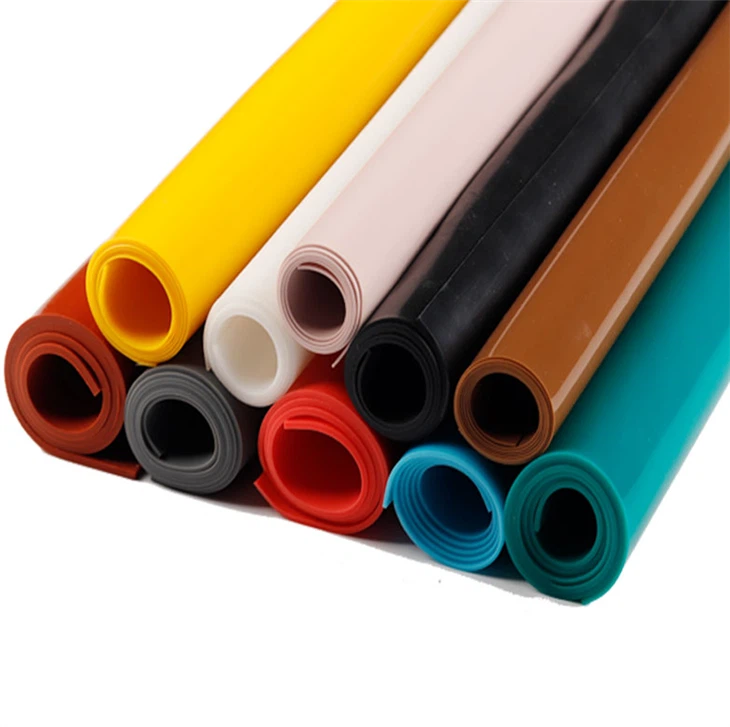
As a silicone rubber sheet supplier, we offer a wide range of silicone rubber sheets with different properties to meet the diverse needs of our customers. Our Silicone Rubber Sheet products are manufactured using high - quality raw materials and advanced production processes to ensure consistent and reliable electrical insulation properties.
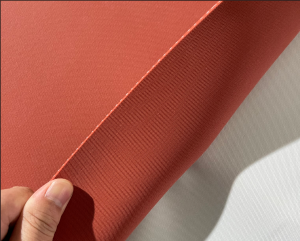
We also offer Cloth Pattern Silicone Sheet, which combines the excellent electrical insulation properties of silicone rubber with the mechanical strength and tear resistance of a cloth pattern. These sheets are suitable for applications where both electrical insulation and mechanical durability are required.
Conclusion
In conclusion, silicone rubber sheets have excellent electrical insulation properties, including high dielectric strength, high volume resistivity, and good tracking resistance. These properties make them suitable for a wide range of applications in various industries, from electronics to power generation. However, factors such as temperature, additives, and contamination can affect their insulation properties.
If you are looking for high - quality silicone rubber sheets with reliable electrical insulation properties, we are here to help. Our team of experts can provide you with detailed information about our products and assist you in choosing the right silicone rubber sheet for your specific application. Contact us today to start a procurement discussion and find the best solution for your needs.
References
- "Handbook of Silicone Rubber" by Peter F. Bruins.
- "Electrical Insulation Materials and Systems" by James C. Martin.
- Technical data sheets from silicone rubber manufacturers.