

Hey there! As a supplier of Silicone Sponge Strips, I've been getting a lot of questions lately about whether these nifty strips emit harmful substances. So, I thought I'd sit down and write this blog to clear up any confusion.
Understanding Silicone Sponge Strips
First things first, let's talk a bit about what silicone sponge strips are. They're made from silicone rubber, which is a synthetic elastomer. Silicone has a bunch of great properties, like being flexible, heat-resistant, water-resistant, and having good electrical insulation. These qualities make silicone sponge strips super useful in a wide range of applications, from sealing in automotive parts to protecting electronic devices.
Now, you might be wondering about the manufacturing process. Silicone sponge strips are typically made by mixing silicone rubber polymers with a foaming agent. The mixture is then heated and cured, which causes the foaming agent to release gas and create the sponge-like structure. The entire process is carefully controlled to ensure the quality and consistency of the strips.
The Safety of Silicone Sponge Strips
One of the big concerns people have is whether silicone sponge strips emit harmful substances. The short answer is that, in general, high - quality silicone sponge strips do not emit harmful substances under normal conditions.
Silicone is a fairly inert material. It doesn't react easily with other chemicals, and it's resistant to degradation. This means that it won't break down and release toxic chemicals into the environment or into the products it's used in.
However, there are a few things to keep in mind. The quality of the silicone sponge strip matters a lot. Cheaper, low - quality strips might be made with substandard materials or using improper manufacturing processes. These strips could potentially contain impurities or additives that might emit harmful substances. For example, some low - quality silicone products might have traces of heavy metals like lead or cadmium, which are definitely not good for you.
Another factor is the environment in which the silicone sponge strip is used. If the strip is exposed to extremely high temperatures (way beyond its normal heat resistance range), it might start to break down and release some by - products. But most high - quality silicone sponge strips are designed to withstand pretty high temperatures without any issues. For example, our Higt Temperature Silicone Rubber Strips can handle some seriously hot conditions without emitting any harmful stuff.
Testing and Certification
As a responsible supplier, we make sure that all our silicone sponge strips meet strict safety standards. We conduct a variety of tests to ensure that the strips are free from harmful substances. One of the common tests is the RoHS (Restriction of Hazardous Substances) test, which checks for the presence of lead, mercury, cadmium, hexavalent chromium, polybrominated biphenyls (PBB), and polybrominated diphenyl ethers (PBDE). Our products consistently pass these tests, which gives our customers peace of mind.
We also have our products tested for food - contact safety. If you're using silicone sponge strips in applications where they might come into contact with food, such as in food processing equipment or kitchen appliances, it's crucial that they're safe. Our food - grade silicone sponge strips meet all the relevant food safety regulations.
Common Applications and Safety
Let's take a look at some of the common applications of silicone sponge strips and how safe they are in those scenarios.
Sealing in Buildings
Silicone sponge strips are often used for weatherstripping in buildings. They help to keep out drafts, water, and dust. In this application, the strips are usually exposed to normal indoor and outdoor temperatures and environmental conditions. As long as you're using high - quality strips, there's no need to worry about them emitting harmful substances. They'll just do their job quietly and safely for years to come.
Automotive Industry
In cars, silicone sponge strips are used for sealing around doors, windows, and other parts. The automotive environment can be a bit more challenging, with exposure to heat, oil, and other chemicals. But again, high - quality silicone sponge strips are designed to handle these conditions. They won't break down and release harmful substances, even when they're constantly vibrating and being exposed to different temperatures.

Electronic Devices
Silicone sponge strips are used in electronic devices for protection and insulation. They help to keep out dust and moisture, and they can also absorb shock. Since electronic devices are usually used at normal room temperatures, the silicone strips are very safe. They won't interfere with the electronics or emit any substances that could damage the device.
Other Silicone Products
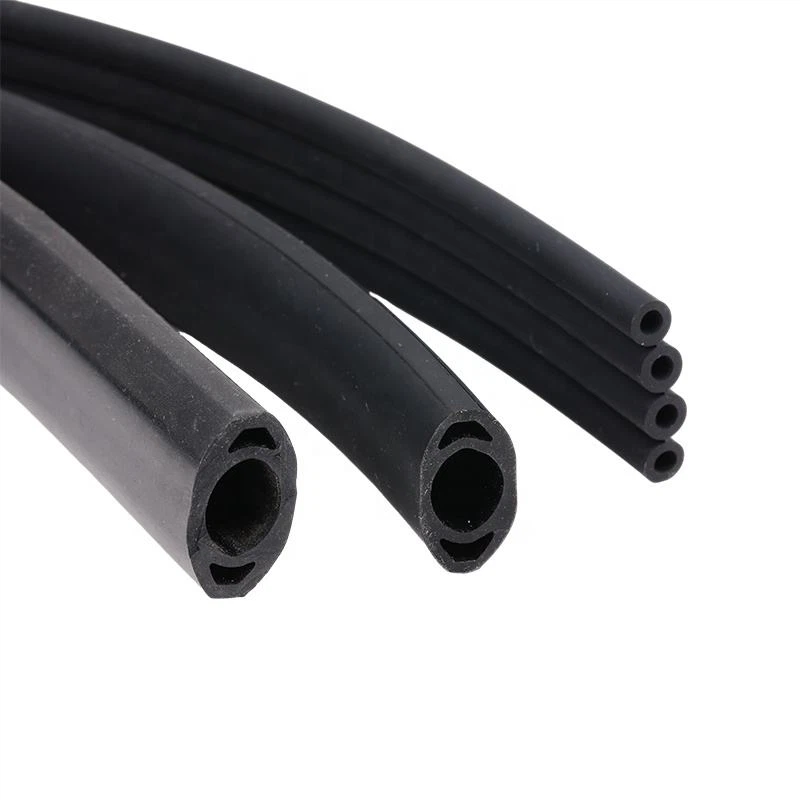
We also offer other silicone products, like Silicone Cords and Special Shaped Silicone Strip. Just like our silicone sponge strips, these products are also made with high - quality materials and undergo strict testing. They're safe to use in a variety of applications and won't emit any harmful substances.
Conclusion
So, to sum it all up, high - quality silicone sponge strips generally do not emit harmful substances under normal conditions. However, it's important to choose a reliable supplier and make sure that the products meet the necessary safety standards.
If you're in the market for silicone sponge strips, silicone cords, or special shaped silicone strips, we're here to help. We pride ourselves on providing top - notch products that you can trust. Whether you're in the building, automotive, or electronics industry, we've got the perfect silicone solution for you. If you have any questions or want to discuss your specific requirements, feel free to reach out. We're always happy to have a chat about how our products can fit your needs.
References
- ASTM International Standards on Silicone Rubber Products
- EU RoHS Directive Standards
- FDA Regulations on Food - Contact Silicone Materials