

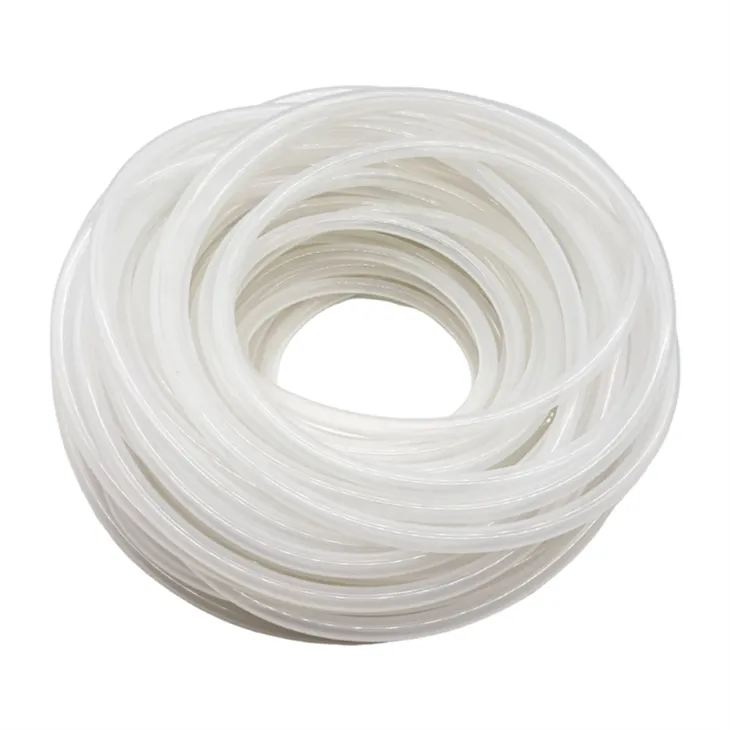
Hey there! As a supplier of Medical Silicone Tubing, I often get asked about how to clean this essential piece of medical equipment. It's super important because clean tubing not only ensures the longevity of the product but also plays a critical role in maintaining a hygienic medical environment. So, let's dive right into it and explore the best ways to clean medical silicone tubing.

Why Cleaning Medical Silicone Tubing Matters
First off, why is it so crucial to clean medical silicone tubing properly? Well, in the medical field, the risk of contamination is always a big deal. Silicone tubing is used in various applications, like delivering medications, fluids, or even in respiratory devices. If the tubing isn't cleaned correctly, it can become a breeding ground for bacteria, fungi, and other harmful microorganisms. This can lead to serious infections for patients, which is obviously something we want to avoid at all costs.
Another reason is that regular cleaning helps to maintain the integrity of the silicone material. Over time, residue buildup can cause the tubing to degrade, become brittle, or lose its flexibility. By keeping it clean, you can extend the lifespan of the tubing and save money in the long run.
Pre - Cleaning Checks
Before you start the cleaning process, there are a few things you need to do. First, inspect the tubing for any visible signs of damage, such as cracks, holes, or kinks. If you find any, it's best to replace the tubing rather than trying to clean it. Damaged tubing can't be effectively cleaned and may pose a risk to patients.
Next, make sure you know what kind of substances have been flowing through the tubing. Different substances may require different cleaning methods. For example, if the tubing has been used for delivering medications, you'll need to be extra careful to remove all traces of the drug.
Step - by - Step Cleaning Process
1. Disconnect and Rinse
The first step is to disconnect the tubing from any medical devices. Once it's disconnected, rinse it thoroughly with warm water. This will help to remove any loose debris or large particles. You can use a gentle stream of water from a faucet or a syringe filled with water to flush through the tubing. Make sure to rinse both the inside and the outside of the tubing.
2. Prepare a Cleaning Solution
There are several options for cleaning solutions. One of the most common and effective solutions is a mixture of mild dish soap and warm water. You can use about a teaspoon of dish soap per liter of water. The mild soap will help to break down any oils, grease, or organic matter on the tubing.
Another option is a diluted bleach solution. A solution of one part bleach to ten parts water can be used to disinfect the tubing. However, be careful when using bleach, as it can be harsh on the silicone if left in contact for too long.
3. Soak the Tubing
Once you've prepared the cleaning solution, soak the tubing in it for at least 30 minutes. This will give the solution enough time to penetrate and break down any stubborn dirt or residue. You can use a clean container large enough to hold the tubing completely submerged.
While the tubing is soaking, you can gently agitate it to help the cleaning process. You can use your hands to squeeze and knead the tubing, but be careful not to damage it.
4. Scrub (if necessary)
For really stubborn stains or buildup, you may need to use a soft - bristle brush to scrub the inside of the tubing. You can use a small, clean bottle brush or a pipe cleaner. Make sure the brush is soft enough not to scratch the silicone. Gently scrub the inside of the tubing, paying special attention to any areas with visible residue.
5. Rinse Again
After soaking and scrubbing (if applicable), rinse the tubing thoroughly with clean, warm water. Make sure to remove all traces of the cleaning solution. You can rinse the tubing several times to ensure it's completely clean.
6. Dry the Tubing
Once the tubing is rinsed, shake off any excess water. Then, allow it to air dry completely. You can hang the tubing up or lay it out on a clean, dry surface. Avoid using a towel to dry the tubing, as this can transfer lint or other contaminants.
Special Considerations
- Type of Silicone: There are different types of medical silicone tubing, and some may require special care. For example, Transparent Silicone Tube may need a more gentle cleaning process to avoid scratching and maintain its clarity.
- Frequency of Cleaning: The frequency of cleaning depends on how often the tubing is used. If it's used continuously, it may need to be cleaned daily. For occasional use, weekly cleaning may be sufficient.
- Storage: After cleaning and drying, store the tubing in a clean, dry place. Avoid storing it in direct sunlight or in areas with high humidity, as this can damage the silicone.
Cleaning for Specific Applications
- Respiratory Tubing: When cleaning respiratory tubing, it's especially important to disinfect it thoroughly. You can use a hydrogen peroxide solution in addition to the regular cleaning process. A 3% hydrogen peroxide solution can be used to soak the tubing for 30 minutes, followed by a thorough rinse.
- Medication Delivery Tubing: For tubing used to deliver medications, it's crucial to remove all traces of the medication. You may need to use a specialized cleaning agent recommended by the medication manufacturer.
Additional Tools and Products
There are also some specialized cleaning tools and products available for medical silicone tubing. For example, there are enzymatic cleaners that can break down proteins and other organic matter. These cleaners are often used in healthcare facilities for more thorough cleaning.
If you're looking for high - quality medical silicone tubing, we also offer Silicone Vacuum Hose and Medical Transparent Silicone Tubing that are designed to meet the highest standards of quality and safety.
Conclusion
Cleaning medical silicone tubing is a straightforward process, but it requires attention to detail. By following the steps outlined above, you can ensure that your tubing is clean, safe, and in good working condition. Remember, proper cleaning not only protects patients but also helps to save money by extending the lifespan of the tubing.
If you're in the market for medical silicone tubing or have any questions about cleaning or using our products, don't hesitate to reach out. We're here to help you with all your medical tubing needs and can assist you in finding the right solutions for your specific applications. Contact us to start the procurement process and discuss how we can meet your requirements.
References
- "Medical Device Cleaning and Disinfection Guidelines", Healthcare Infection Control Practices Advisory Committee.
- "Silicone Rubber Handbook", William Andrew Publishing.