

Installing industrial silicone tubes correctly is crucial for ensuring optimal performance and safety across various industries. As a trusted Industrial Silicone Tube supplier, I understand the significance of proper installation procedures. In this blog post, I'll guide you through a step - by - step process on how to install industrial silicone tubes, covering all the essential aspects from preparation to final checks.
1. Preparation
Before you start the installation process, thorough preparation is key. First, gather all the necessary tools and materials. You'll need a sharp utility knife to cut the silicone tube to the appropriate length, safety gloves to protect your hands from any sharp edges or potential chemical residues on the tube, and a tube cutter if you're dealing with larger - diameter tubes. Additionally, ensure you have the correct connectors, clamps, and gaskets that are compatible with your industrial silicone tube.
Inspect the silicone tube carefully. Look for any visible damage such as cuts, abrasions, or holes. A damaged tube can lead to leaks and reduced performance. Also, check the specifications of the tube to ensure it meets the requirements of your application. For example, if you're working in a high - temperature environment, you'll need a High Temp Silicone Hose that can withstand the heat.
Measure the distance where the tube will be installed. This will help you cut the tube to the right length. It's better to cut the tube slightly longer than needed initially, as you can always trim it later for a perfect fit.
2. Cutting the Silicone Tube
Once you have measured the required length, it's time to cut the silicone tube. If you're using a utility knife, make sure it's sharp. Place the tube on a flat surface and mark the cutting point clearly. Then, hold the tube firmly and make a slow, even cut around the circumference. Apply consistent pressure to ensure a clean cut.
For larger - diameter tubes, a tube cutter is a better option. A tube cutter works by scoring the tube and then breaking it along the scored line. This method provides a more precise and clean cut, especially for thicker - walled silicone tubes.

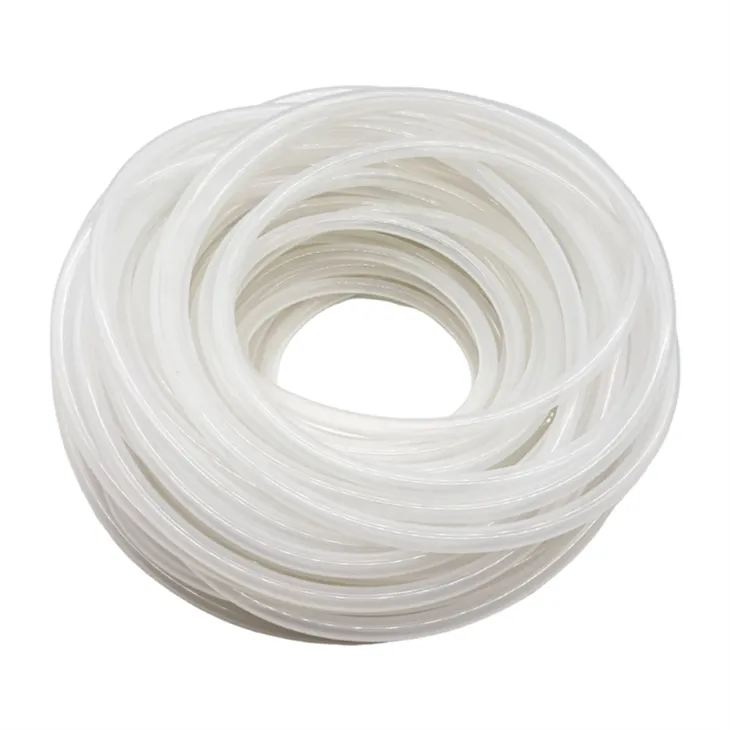
After cutting the tube, use a fine - grit sandpaper to smooth the cut edges. This will prevent any rough edges from causing leaks or damage to the connectors.
3. Cleaning the Tube and Connectors
Cleanliness is essential in the installation of industrial silicone tubes. Any dirt, dust, or debris on the tube or connectors can cause leaks or affect the performance of the system. Use a mild, non - abrasive cleaner to clean the inside and outside of the tube. Rinse it thoroughly with clean water and allow it to dry completely.
Similarly, clean the connectors and gaskets. Remove any old sealants or debris from the connector surfaces. Make sure the connectors are dry before proceeding with the installation.
4. Attaching the Connectors
There are different types of connectors available for industrial silicone tubes, such as barbed connectors, compression fittings, and quick - connect fittings. The type of connector you use will depend on your specific application and the requirements of your system.
If you're using barbed connectors, lubricate the end of the tube slightly with a silicone - based lubricant. This will make it easier to slide the tube onto the connector. Push the tube firmly onto the connector until it reaches the end. Make sure the tube is fully seated on the connector to prevent leaks.
For compression fittings, place the compression nut and ferrule over the end of the tube. Insert the tube into the fitting body and tighten the compression nut using a wrench. Be careful not to overtighten, as this can damage the tube.
Quick - connect fittings are designed for easy installation. Simply insert the tube into the fitting until you hear a click, indicating that it's properly connected.
5. Installing Clamps
Clamps are used to secure the tube to the connectors and prevent leaks. There are several types of clamps available, such as worm - drive clamps and spring clamps.
Worm - drive clamps are the most commonly used type. They consist of a band with a screw mechanism. Place the clamp around the tube where it meets the connector. Use a screwdriver to tighten the screw until the clamp is snug. Make sure the clamp is evenly tightened around the circumference of the tube.
Spring clamps are easier to install and remove. They work by applying a spring - loaded pressure around the tube. Simply place the spring clamp over the tube and connector, and it will hold the tube in place.
6. Routing the Tube
Proper routing of the industrial silicone tube is important to prevent kinking and ensure smooth flow of fluids or gases. Avoid sharp bends and tight corners, as these can restrict the flow and cause damage to the tube over time.
Use tube supports or clips to hold the tube in place along its route. This will prevent the tube from sagging or moving, which can also lead to leaks. Make sure the tube is not in contact with any sharp objects or hot surfaces that could damage it.
7. Final Checks
After the installation is complete, perform a thorough final check. Inspect all the connections to ensure they are tight and there are no visible leaks. Check the routing of the tube to make sure it is properly supported and there are no kinks.
If the system is designed to carry fluids or gases, test the system under normal operating conditions. Monitor the system for any signs of leaks, such as drops of liquid or hissing sounds. If you detect any issues, make the necessary adjustments immediately.
Conclusion
Installing industrial silicone tubes requires careful planning, proper preparation, and attention to detail. By following these steps, you can ensure a successful installation that will provide reliable performance for your industrial applications.
As an Industrial Silicone Tube supplier, I offer a wide range of high - quality silicone tubes, including Vacuum Silicone Hose for vacuum applications, High Temp Silicone Hose for high - temperature environments, and Medical Transparent Silicone Tubing for medical use.
If you're interested in purchasing industrial silicone tubes for your project, we'd love to discuss your requirements. Feel free to reach out to us for more information, product specifications, or to start a procurement negotiation.
References
- "Piping and Tubing Handbook" by Carl H. Sandborn
- "Industrial Fluid Handling: Pumps, Valves, and Pipelines" by Norman Cheremisinoff