

Hey there! As a supplier of silicone sponge strips, I often get asked a bunch of questions about the products we offer. One question that pops up quite a bit is, "Is silicone sponge strip resistant to high - frequency vibrations?" Well, let's dive right into it and find out.
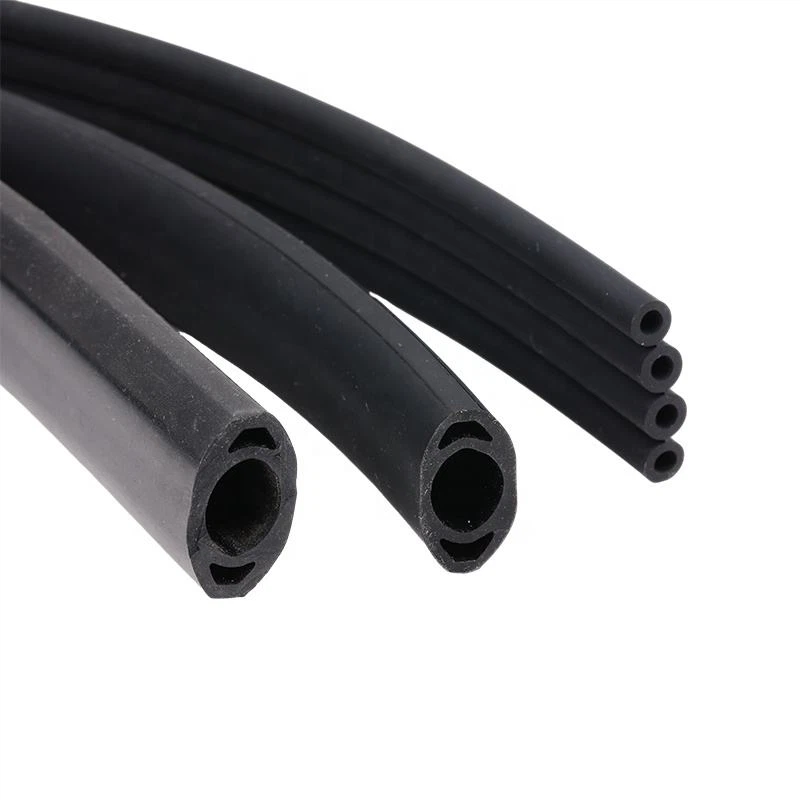

First off, let's understand what silicone sponge strips are. They're made from silicone rubber, which is a synthetic elastomer known for its excellent properties. Silicone rubber has a unique molecular structure that gives it flexibility, durability, and resistance to a wide range of environmental factors. Silicone sponge strips are basically strips of this material with a sponge - like structure, which means they have tiny air pockets inside.
Now, let's talk about high - frequency vibrations. High - frequency vibrations are rapid oscillations that occur at a relatively high number of cycles per second. These vibrations can be generated by various sources, such as industrial machinery, engines, or even some electronic devices. When a material is exposed to high - frequency vibrations, it can experience wear and tear, fatigue, and in some cases, even structural failure.
So, is silicone sponge strip resistant to high - frequency vibrations? The short answer is yes, and here's why.
1. Elasticity and Flexibility
Silicone sponge strips have excellent elasticity and flexibility. This means that when they're subjected to high - frequency vibrations, they can deform and then return to their original shape without getting damaged easily. The air pockets in the sponge structure also play a role here. They act as shock absorbers, helping to dissipate the energy from the vibrations. For example, in an industrial setting where a machine is producing high - frequency vibrations, a silicone sponge strip can be used as a gasket or seal. The strip will flex and bend with the vibrations, reducing the stress on the surrounding components and itself.
2. Chemical Stability
Silicone rubber is chemically stable, which means it doesn't react easily with other substances. High - frequency vibrations can sometimes cause friction and generate heat, which might lead to chemical reactions in some materials. But silicone sponge strips are resistant to these effects. They can withstand the heat generated by the vibrations without degrading or losing their properties. This chemical stability ensures that the strip remains effective in resisting high - frequency vibrations over a long period of time.
3. Fatigue Resistance
Another important factor is fatigue resistance. When a material is exposed to repeated vibrations, it can develop fatigue cracks over time. However, silicone sponge strips have good fatigue resistance. Their molecular structure allows them to endure a large number of vibration cycles without showing signs of fatigue. This is crucial in applications where the vibrations are continuous, such as in automotive engines or aerospace equipment.
Real - World Applications
The resistance of silicone sponge strips to high - frequency vibrations makes them suitable for a wide range of applications.
Industrial Machinery
In industrial machinery, high - frequency vibrations are common. Silicone sponge strips can be used as vibration dampeners between different machine parts. For example, they can be placed between a motor and its mounting bracket to reduce the transmission of vibrations to the surrounding structure. This not only protects the machinery but also reduces noise levels. You can check out our Special Shaped Silicone Strip for some unique solutions in industrial applications.
Automotive Industry
In cars, engines produce high - frequency vibrations. Silicone sponge strips can be used in engine compartments as gaskets or seals. They help to prevent the leakage of fluids and gases while also reducing the vibrations that are transmitted to the rest of the vehicle. This improves the overall comfort of the ride and also extends the lifespan of the engine components. Our Silicone Foam Strips are a great option for automotive applications.
Electronics
Some electronic devices, such as hard drives or speakers, can generate high - frequency vibrations. Silicone sponge strips can be used to isolate these components from the rest of the device, preventing the vibrations from causing damage or interference. They can also be used in the housing of electronic devices to provide shock absorption and vibration resistance.
Comparison with Other Materials
It's also worth comparing silicone sponge strips with other materials in terms of high - frequency vibration resistance.
Rubber
Traditional rubber materials may not perform as well as silicone sponge strips when it comes to high - frequency vibrations. Rubber can be more prone to fatigue and degradation over time, especially when exposed to heat generated by the vibrations. In contrast, silicone sponge strips have better heat resistance and fatigue resistance. For example, if you're looking for a strip to use in a high - vibration environment, our U Shaped Rubber Strip made of silicone sponge is a better choice than a regular rubber strip.
Plastic
Plastic materials are generally less flexible and elastic than silicone sponge strips. They may crack or break when exposed to high - frequency vibrations, especially if the vibrations cause the plastic to flex repeatedly. Silicone sponge strips, on the other hand, can handle these flexing movements without getting damaged.
Conclusion
In conclusion, silicone sponge strips are highly resistant to high - frequency vibrations. Their elasticity, flexibility, chemical stability, and fatigue resistance make them an ideal choice for a wide range of applications where high - frequency vibrations are a concern. Whether it's in industrial machinery, automotive, or electronics, silicone sponge strips can provide effective vibration dampening and protection.
If you're in the market for high - quality silicone sponge strips, we're here to help. We offer a wide range of products that are designed to meet your specific needs. Whether you need a standard size or a custom - made strip, we can provide you with the right solution. Don't hesitate to reach out to us for more information or to start a procurement discussion. We're looking forward to working with you!
References
- "Silicone Rubber: Properties and Applications" - A technical guide on silicone rubber materials.
- "Vibration Damping in Industrial Applications" - A research paper on the use of materials for vibration control.