

Hey there! I'm a supplier of silicone sponge sheets, and today I'm gonna walk you through the production processes of these nifty materials. Silicone sponge sheets are super versatile, used in a bunch of industries like automotive, electronics, and even food service. So, let's dive right in and see how these sheets are made.
Raw Material Preparation
The first step in making silicone sponge sheets is getting the raw materials ready. The main ingredient is silicone rubber, which comes in a couple of different forms. We usually use high - consistency rubber (HCR) or liquid silicone rubber (LSR), depending on the specific requirements of the end product.
For HCR, it arrives in large bales, kind of like big blocks of rubber. We start by cutting these bales into smaller, more manageable pieces. This makes it easier to handle during the mixing process. LSR, on the other hand, comes in liquid form and is stored in drums.
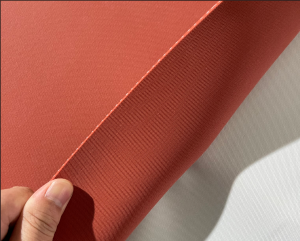

We also need to add some other stuff to the silicone rubber. Things like curing agents, fillers, and colorants. Curing agents are crucial because they help the silicone rubber harden and form the right structure. Fillers can improve the mechanical properties of the sponge sheet, like its strength and durability. And colorants, well, they're there to give the sheet the color we want.
Mixing
Once we've got all the raw materials sorted, it's time for mixing. If we're using HCR, we use a two - roll mill. This machine has two large metal rollers that rotate in opposite directions. We feed the cut pieces of HCR onto the rollers, and as they turn, the rubber gets squeezed and kneaded. The other ingredients, like the curing agents, fillers, and colorants, are gradually added during this process. The rollers keep mixing everything together until we get a homogeneous mixture.
For LSR, we use a static mixer. The LSR is pumped into the mixer along with the other additives. Inside the mixer, there are a series of stationary elements that help blend the materials evenly. This ensures that every part of the mixture has the same composition, which is really important for the quality of the final product.
Foaming
Now, the next big step is foaming. This is what gives the silicone sponge sheet its spongy texture. There are a few different ways to foam the silicone mixture. One common method is to use a chemical blowing agent. This is a substance that decomposes when heated, releasing gas bubbles.
We add the blowing agent to the mixed silicone during the mixing process. Once the mixture is ready, we put it into a mold. The mold is then heated in an oven. As the temperature rises, the blowing agent starts to break down, and gas bubbles form throughout the silicone. These bubbles expand and create the sponge - like structure.
Another way to foam the silicone is through mechanical foaming. In this method, we use a special machine that injects air or another gas into the silicone mixture under pressure. The gas gets trapped in the mixture, creating bubbles. This method is often used when we need more control over the size and distribution of the bubbles.
Curing
After foaming, the silicone sponge sheet needs to be cured. Curing is the process of making the silicone harden and set into its final shape. The curing process depends on the type of silicone and the curing agent we used.
For HCR, we usually cure the sheet in a hot press. The foamed silicone mixture in the mold is placed between two heated plates in the press. The heat and pressure from the press help the curing agent react with the silicone, causing it to harden. The curing time and temperature are carefully controlled to ensure that the sheet cures properly.
LSR can be cured in an oven or using a conveyor belt system. The foamed LSR is passed through a heated chamber, where the curing reaction takes place. The advantage of using a conveyor belt system is that it allows for continuous production, which is great for large - scale manufacturing.
Cutting and Finishing
Once the silicone sponge sheet is cured, it's time to cut it into the right size and shape. We use various cutting tools, like knives or lasers, depending on the thickness and precision required.
After cutting, we might do some finishing touches. This could include sanding the edges to make them smooth, or applying a surface treatment to improve the sheet's properties. For example, we might add a coating to make the sheet more resistant to water or chemicals.
Quality Control
Throughout the production process, we have strict quality control measures in place. We test the silicone sponge sheets at different stages to make sure they meet our standards.
We check things like the density, hardness, and tear strength of the sheet. We also look at the size and distribution of the bubbles in the sponge. If a sheet doesn't meet the quality requirements, it gets rejected and either re - worked or discarded.
Applications and Related Products
Silicone sponge sheets have a wide range of applications. In the automotive industry, they're used for gaskets, seals, and vibration dampers. In electronics, they can be used as insulation and cushioning materials. And in the food service industry, they're great for making Food Grade Silicone Sheet Roll that are safe to use with food.
We also offer other types of silicone sheets, like Cloth Pattern Silicone Sheet and Transparent Silicone Rubber Sheet. These sheets have different properties and are suitable for different applications.
Contact for Purchase
If you're interested in our silicone sponge sheets or any of our other silicone products, we'd love to hear from you. Whether you need a small quantity for a prototype or a large order for mass production, we can work with you to meet your needs. Just reach out to us to start the conversation about your requirements. We're here to provide you with high - quality silicone sponge sheets and excellent service.
References
- "Silicone Rubber Technology" by David A. Thomas
- "Handbook of Elastomers" edited by B. K. Gupta