

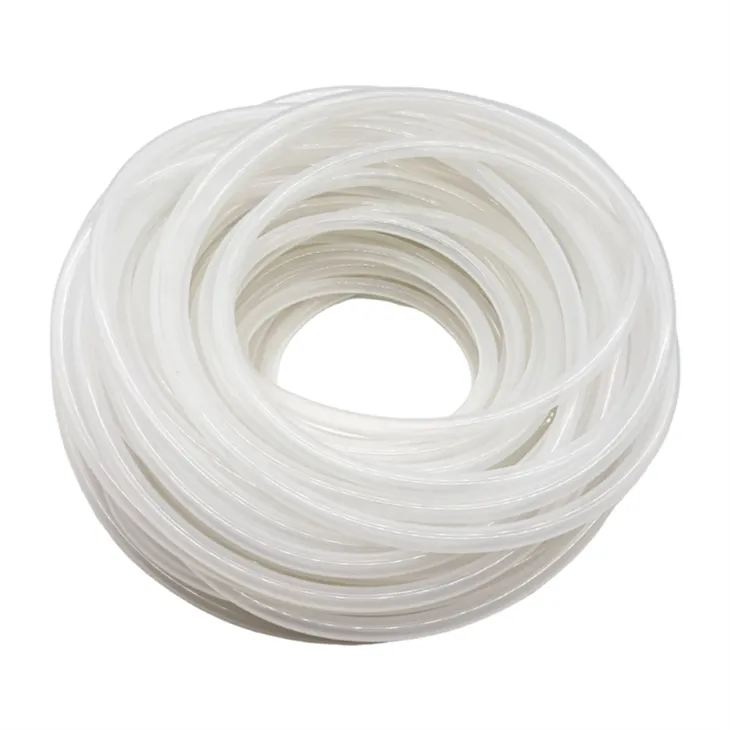
As a trusted supplier of silicone rubber tubing, I understand the critical importance of proper transportation to ensure that our products reach our customers in perfect condition. Silicone rubber tubing is widely used in various industries, including automotive, medical, and food processing, due to its excellent flexibility, heat resistance, and chemical stability. However, these properties also mean that special precautions must be taken during transportation to prevent damage and maintain the tubing's quality. In this blog post, I will share some essential transportation precautions for silicone rubber tubing.
1. Packaging
The first and most crucial step in transporting silicone rubber tubing is proper packaging. The packaging should be designed to protect the tubing from physical damage, environmental factors, and contamination.
- Inner Packaging: For individual pieces of tubing, it is recommended to use plastic bags or protective sleeves. These materials can prevent scratches and abrasions during handling and transit. For example, a simple polyethylene bag can provide a basic layer of protection. If the tubing has a smooth surface finish, a soft, non - abrasive sleeve can be used to avoid any marks.
- Outer Packaging: Once the individual pieces are packed, they should be placed in sturdy outer containers. Cardboard boxes are a common choice as they are lightweight, cost - effective, and easy to handle. However, if the tubing is large or heavy, wooden crates may be more appropriate. The outer packaging should be labeled clearly with information such as the product name, size, quantity, and handling instructions.
2. Handling
Proper handling during transportation is essential to prevent damage to the silicone rubber tubing.

- Lifting and Moving: When lifting the packaged tubing, it is important to use the correct lifting equipment. Forklifts or pallet jacks can be used for larger quantities of tubing on pallets. Workers should be trained to lift the packages carefully to avoid dropping or jolting them. For smaller packages, they should be carried gently to prevent any sudden impacts.
- Stacking: If the tubing packages need to be stacked, it is crucial to stack them in a stable and even manner. The weight should be evenly distributed to prevent the bottom packages from being crushed. Do not stack packages too high, as this can increase the risk of toppling over during transit.
3. Temperature and Humidity Control
Silicone rubber tubing is sensitive to extreme temperatures and high humidity, which can affect its physical properties.
- Temperature: Extreme heat can cause the tubing to soften and deform, while extreme cold can make it brittle. During transportation, it is important to keep the tubing within a suitable temperature range. If possible, use climate - controlled trucks or containers for long - distance transportation. In hot climates, avoid leaving the tubing in direct sunlight for extended periods. In cold climates, insulation can be used to protect the tubing from freezing temperatures.
- Humidity: High humidity can lead to the growth of mold and mildew on the tubing surface, especially if the tubing is not properly dried before packaging. It is recommended to use desiccants in the packaging to absorb any moisture. Additionally, ensure that the transportation environment is well - ventilated to prevent the build - up of humidity.
4. Protection from Chemicals and Contaminants
Silicone rubber tubing can be affected by exposure to certain chemicals and contaminants.
- Avoiding Chemical Contact: During transportation, the tubing should be kept away from chemicals such as solvents, acids, and alkalis. These chemicals can react with the silicone rubber and cause damage. If the tubing is transported in the same vehicle as chemicals, they should be separated by a suitable barrier.
- Preventing Contamination: The tubing should be protected from dust, dirt, and other contaminants. This can be achieved through proper packaging and by ensuring that the transportation vehicle is clean. If the tubing is for medical or food - grade applications, extra care should be taken to prevent any form of contamination.
5. Securing the Tubing
To prevent the tubing from moving around during transportation, it should be secured properly.
- Internal Securing: Inside the packaging, the tubing can be secured using padding materials such as foam or bubble wrap. This can prevent the tubing from rubbing against each other or the walls of the container, which can cause damage.
- External Securing: When the packages are loaded onto a vehicle, they should be secured using straps or ropes. This can prevent the packages from shifting during transit, especially when the vehicle is accelerating, decelerating, or turning.
Product - Specific Considerations
- Silicone Intake Hose: The Silicone Intake Hose is commonly used in automotive applications. Due to its shape and the precision required for its performance, it should be packaged in a way that maintains its shape. Specialized packaging inserts can be used to support the hose and prevent it from being deformed during transportation.
- Red Silicone Tubing: The Red Silicone Tubing may be more prone to color fading if exposed to sunlight for long periods. During transportation, it should be protected from direct sunlight, either through proper packaging or by using covered transportation vehicles.
- Medical Transparent Silicone Tubing: The Medical Transparent Silicone Tubing requires the highest level of protection against contamination. It should be packaged in sterile, sealed containers and transported in a clean environment. Any break in the packaging seal during transportation can render the tubing unusable for medical applications.
Conclusion
Transporting silicone rubber tubing requires careful planning and attention to detail. By following these transportation precautions, we can ensure that our customers receive high - quality tubing that meets their requirements. At our company, we are committed to providing the best products and services to our customers. If you are interested in purchasing silicone rubber tubing, please feel free to contact us for more information and to discuss your specific needs. We look forward to working with you to meet your silicone rubber tubing requirements.
References
- ASTM International. (20XX). Standards related to rubber and elastomeric products.
- Manufacturer's guidelines for silicone rubber tubing.