

Silicone tubes have emerged as a versatile and indispensable component in various industries, owing to their remarkable chemical stability. As a leading supplier of silicone tubes, I am often asked about the chemical stability of these products. In this blog post, I will delve into the concept of chemical stability in silicone tubes, exploring the factors that influence it and its implications for different applications.

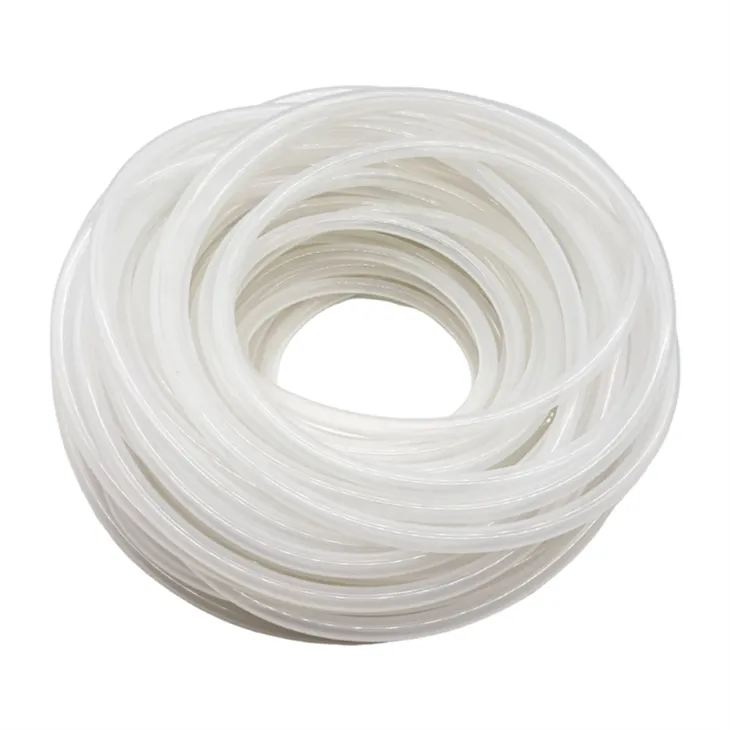
Understanding Chemical Stability
Chemical stability refers to the ability of a material to resist chemical reactions under specific conditions. In the context of silicone tubes, it means that the tubes can maintain their structural integrity and performance when exposed to various chemicals, solvents, and environmental factors. A chemically stable silicone tube will not degrade, dissolve, or react with the substances it comes into contact with, ensuring long - term reliability and safety.
Factors Influencing the Chemical Stability of Silicone Tubes
1. Silicone Composition
The base polymer of silicone tubes is polydimethylsiloxane (PDMS), which has a unique chemical structure. The silicon - oxygen (Si - O) backbone is highly stable, with strong bonds that are resistant to many chemical attacks. However, the addition of different fillers, additives, and curing agents can affect the chemical stability. For example, some fillers may react with certain chemicals, reducing the overall stability of the tube. At our company, we carefully select the raw materials and additives to ensure the highest level of chemical stability in our silicone tubes.
2. Temperature
Temperature plays a crucial role in the chemical stability of silicone tubes. Generally, silicone has a wide temperature tolerance range, from - 60°C to 200°C or even higher in some cases. At low temperatures, silicone tubes remain flexible and do not become brittle, which helps maintain their chemical resistance. At high temperatures, the Si - O bonds in silicone can withstand thermal degradation better than many other polymers. However, extremely high temperatures can still cause oxidation and cross - linking reactions, which may affect the tube's chemical stability over time.
3. Chemical Exposure
The type and concentration of chemicals that the silicone tube is exposed to are significant factors. Silicone tubes are highly resistant to water, alcohols, and many mild acids and bases. For instance, they can be used in medical applications where they come into contact with physiological fluids without any adverse reactions. However, they may be less resistant to strong solvents such as toluene, benzene, and some halogenated hydrocarbons. These solvents can swell or dissolve the silicone, leading to a loss of mechanical properties and chemical stability.
Chemical Stability in Different Applications
1. Medical Applications
In the medical field, the chemical stability of silicone tubes is of utmost importance. Medical Transparent Silicone Tubing is commonly used for fluid transfer, such as in intravenous lines, catheters, and respiratory devices. The tubes need to be biocompatible and resistant to the body's physiological fluids, including blood, urine, and digestive juices. Our medical - grade silicone tubes are designed to meet strict regulatory standards and have excellent chemical stability, ensuring patient safety and the proper functioning of medical devices.
2. Industrial Applications
Industrial processes often involve the use of various chemicals and harsh environments. Industrial Silicone Tube is used in applications such as chemical processing, food and beverage production, and automotive manufacturing. In chemical processing, the tubes may be exposed to acids, bases, and solvents. Our industrial - grade silicone tubes are formulated to resist a wide range of chemicals, providing reliable performance in these demanding environments. In the food and beverage industry, the tubes must be resistant to food - grade chemicals and comply with strict hygiene standards.
3. Vacuum Applications
Silicone Vacuum Hose is used in vacuum systems, where it needs to maintain its shape and integrity under low - pressure conditions. Chemical stability is essential to prevent the hose from reacting with any gases or vapors present in the vacuum system. Our silicone vacuum hoses are designed to have excellent chemical resistance, ensuring long - term performance in vacuum applications.
Testing and Quality Assurance
To ensure the chemical stability of our silicone tubes, we conduct a series of tests. These include immersion tests, where the tubes are submerged in different chemicals for a specified period to evaluate their resistance. We also perform thermal aging tests to simulate long - term exposure to high temperatures. Additionally, we use advanced analytical techniques such as Fourier - transform infrared spectroscopy (FTIR) to analyze the chemical structure of the silicone before and after exposure to chemicals.
Conclusion
The chemical stability of silicone tubes is a complex but critical property that determines their suitability for various applications. As a silicone tube supplier, we are committed to providing high - quality products with excellent chemical stability. Our silicone tubes are carefully designed and manufactured to meet the diverse needs of our customers in different industries. Whether you are in the medical, industrial, or vacuum application field, we have the right silicone tube solution for you.
If you are interested in purchasing our silicone tubes or have any questions about their chemical stability, please feel free to contact us. We are more than happy to discuss your specific requirements and provide you with detailed information. Our team of experts is always ready to assist you in finding the best silicone tube for your application.
References
- “Silicone Elastomers: Chemistry and Technology” by W. Noll
- “Handbook of Silicones” edited by George H. Wagner
- ASTM standards related to silicone rubber and tubing