

As a leading supplier of U-shaped rubber strips, I've witnessed firsthand the diverse needs and applications of these versatile components. U-shaped rubber strips come in various types, each with its unique characteristics, advantages, and ideal use cases. In this blog post, I'll delve into the differences between different types of U-shaped rubber strips to help you make an informed decision for your specific requirements.
Natural Rubber U-Shaped Strips
Natural rubber is derived from the latex of rubber trees and has been used in various industries for centuries. U-shaped strips made from natural rubber offer excellent elasticity, resilience, and tear resistance. These properties make them suitable for applications where a high degree of flexibility and shock absorption is required.
One of the key advantages of natural rubber U-shaped strips is their ability to withstand repeated stretching and compression without losing their shape. This makes them ideal for use in automotive applications, such as door seals, window seals, and shock absorbers. Natural rubber also has good adhesion properties, which allows it to form a tight seal against various surfaces, preventing the ingress of water, dust, and noise.
However, natural rubber is susceptible to oxidation, ozone degradation, and UV radiation, which can cause it to harden and crack over time. To mitigate these issues, natural rubber U-shaped strips are often treated with antioxidants and UV stabilizers to improve their durability and lifespan.
Synthetic Rubber U-Shaped Strips
Synthetic rubber is a man-made material that is designed to mimic the properties of natural rubber. There are several types of synthetic rubber, each with its unique characteristics and advantages. Some of the most common types of synthetic rubber used in U-shaped strips include neoprene, EPDM, and nitrile rubber.
Neoprene U-Shaped Strips
Neoprene is a synthetic rubber that is known for its excellent resistance to oil, chemicals, and weathering. U-shaped strips made from neoprene are often used in applications where exposure to harsh environments is expected, such as marine, automotive, and industrial settings.
Neoprene U-shaped strips also have good flame resistance, which makes them suitable for use in applications where fire safety is a concern. They are commonly used in seals for engines, pumps, and other equipment to prevent the leakage of fluids and gases.
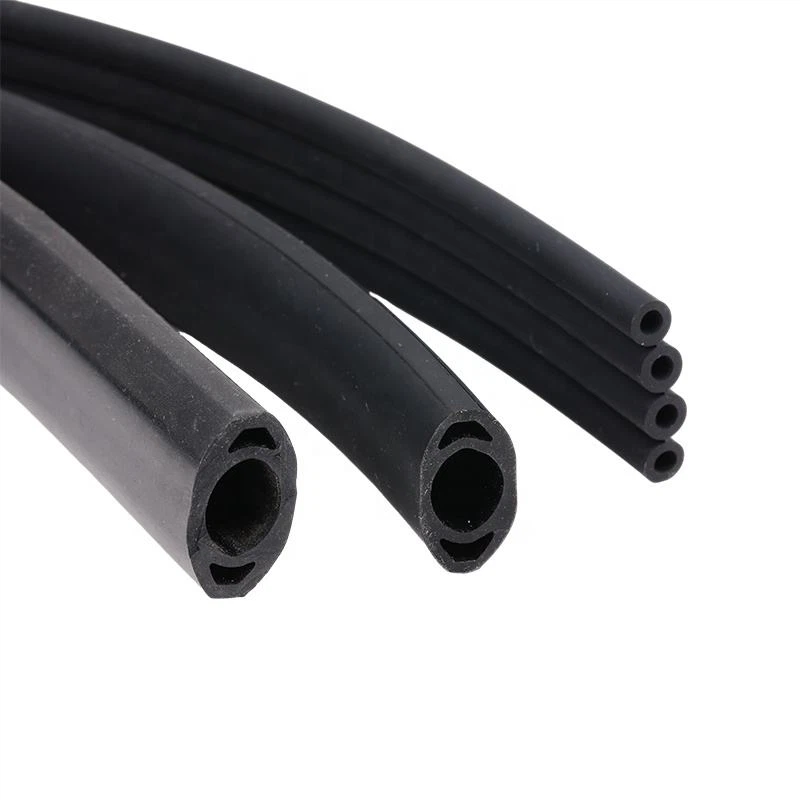

EPDM U-Shaped Strips
EPDM (Ethylene Propylene Diene Monomer) is a synthetic rubber that is known for its excellent resistance to weathering, ozone, and UV radiation. U-shaped strips made from EPDM are often used in outdoor applications, such as window seals, door seals, and roofing systems.
EPDM U-shaped strips have good flexibility and low-temperature properties, which allow them to maintain their seal even in extreme weather conditions. They are also resistant to aging and cracking, which makes them a durable and long-lasting solution for outdoor applications.
Nitrile Rubber U-Shaped Strips
Nitrile rubber is a synthetic rubber that is known for its excellent resistance to oil, fuel, and chemicals. U-shaped strips made from nitrile rubber are often used in applications where exposure to these substances is expected, such as automotive, aerospace, and industrial settings.
Nitrile rubber U-shaped strips have good abrasion resistance and mechanical properties, which make them suitable for use in seals, gaskets, and other components that require a high degree of durability and reliability.
Silicone U-Shaped Strips
Silicone is a synthetic polymer that is known for its excellent heat resistance, flexibility, and chemical stability. U-shaped strips made from silicone are often used in applications where high temperatures, extreme weather conditions, or chemical exposure is expected.
One of the key advantages of silicone U-shaped strips is their ability to maintain their flexibility and elasticity over a wide range of temperatures, from -60°C to 250°C. This makes them suitable for use in applications where temperature fluctuations are common, such as automotive engines, industrial ovens, and aerospace components.
Silicone U-shaped strips also have good resistance to UV radiation, ozone, and weathering, which makes them a durable and long-lasting solution for outdoor applications. They are commonly used in seals for windows, doors, and other openings to prevent the ingress of water, dust, and noise.
In addition to U-shaped strips, we also offer a wide range of Silicone Extruded Strips, Silicone Cords, and Special Shaped Silicone Strip to meet your specific needs.
Fluoroelastomer U-Shaped Strips
Fluoroelastomers are a family of synthetic rubbers that are known for their excellent resistance to high temperatures, chemicals, and fuels. U-shaped strips made from fluoroelastomers are often used in applications where exposure to harsh environments is expected, such as aerospace, automotive, and chemical processing industries.
Fluoroelastomer U-shaped strips have good mechanical properties and resistance to abrasion, which makes them suitable for use in seals, gaskets, and other components that require a high degree of durability and reliability. They are also resistant to aging and cracking, which makes them a long-lasting solution for demanding applications.
Choosing the Right U-Shaped Rubber Strip
When choosing a U-shaped rubber strip for your application, it's important to consider several factors, including the operating environment, temperature range, chemical exposure, and mechanical requirements. Here are some tips to help you choose the right U-shaped rubber strip:
- Operating Environment: Consider the environment in which the U-shaped rubber strip will be used. If it will be exposed to harsh chemicals, high temperatures, or extreme weather conditions, choose a material that is resistant to these factors.
- Temperature Range: Determine the temperature range in which the U-shaped rubber strip will operate. Choose a material that can maintain its flexibility and elasticity over this temperature range.
- Chemical Exposure: If the U-shaped rubber strip will be exposed to chemicals, choose a material that is resistant to these chemicals. Consider the type of chemicals, the concentration, and the duration of exposure.
- Mechanical Requirements: Consider the mechanical requirements of your application, such as the amount of compression, stretching, and abrasion that the U-shaped rubber strip will be subjected to. Choose a material that has the appropriate mechanical properties to meet these requirements.
Conclusion
In conclusion, U-shaped rubber strips come in various types, each with its unique characteristics, advantages, and ideal use cases. By understanding the differences between these types of U-shaped rubber strips, you can choose the right material for your specific application.
As a supplier of U-shaped rubber strips, we are committed to providing our customers with high-quality products and excellent customer service. If you have any questions or need assistance in choosing the right U-shaped rubber strip for your application, please don't hesitate to contact us. We look forward to working with you to meet your needs and exceed your expectations.
References
- "Rubber Technology: Compounding, Mixing, and Vulcanization" by Maurice Morton
- "Handbook of Elastomers" edited by Abraham I. Isayev
- "Synthetic Rubber: Its Development, Manufacture, and Technology" by George S. Whitby