

When it comes to seal strips, two materials often take the spotlight: silicone and rubber. As a supplier of Silicone Seal Strips, I've witnessed firsthand the diverse needs of customers and the common confusion between these two materials. In this blog post, I'll delve into the key differences between silicone and rubber seal strips to help you make an informed decision for your specific applications.
Material Composition
Silicone is a synthetic polymer made up of silicon, oxygen, carbon, and hydrogen. This unique chemical structure gives silicone its remarkable properties, such as high heat resistance, excellent flexibility, and good electrical insulation. On the other hand, rubber is a natural or synthetic elastomer. Natural rubber is derived from the latex of rubber trees, while synthetic rubber is produced through chemical synthesis. Rubber is known for its high elasticity and abrasion resistance.
Physical Properties
Temperature Resistance
One of the most significant differences between silicone and rubber is their temperature resistance. Silicone seal strips can withstand extreme temperatures, ranging from -60°C to 230°C, without losing their flexibility or physical properties. This makes them ideal for applications in high-temperature environments, such as ovens, heaters, and automotive engines. In contrast, rubber seal strips have a more limited temperature range, typically from -20°C to 100°C. At higher temperatures, rubber can become brittle and lose its sealing ability.
Chemical Resistance
Silicone seal strips exhibit excellent chemical resistance to a wide range of substances, including acids, alkalis, solvents, and oils. This makes them suitable for use in harsh chemical environments, such as chemical processing plants and laboratories. Rubber seal strips, however, may be more susceptible to chemical attack, depending on the type of rubber and the specific chemicals involved. For example, natural rubber is not resistant to oils and solvents, while synthetic rubbers like neoprene and nitrile have better chemical resistance.
Weather Resistance
Silicone seal strips are highly resistant to weathering, UV radiation, and ozone. They can maintain their physical properties and appearance for long periods of time, even when exposed to harsh outdoor conditions. This makes them a popular choice for outdoor applications, such as window and door seals, roofing, and automotive weatherstripping. Rubber seal strips may degrade over time when exposed to sunlight, ozone, and extreme weather conditions, leading to cracking, hardening, and loss of sealing performance.
Compression Set
Compression set is a measure of how well a seal strip can recover its original shape after being compressed. Silicone seal strips have a low compression set, which means they can maintain their sealing force over a long period of time, even under constant compression. This is important for applications where a tight seal is required, such as in automotive engines and industrial machinery. Rubber seal strips may have a higher compression set, especially at elevated temperatures, which can result in a loss of sealing effectiveness over time.
Applications
Silicone Seal Strips
Due to their superior temperature resistance, chemical resistance, and weather resistance, silicone seal strips are widely used in a variety of industries and applications. Some common applications of silicone seal strips include:
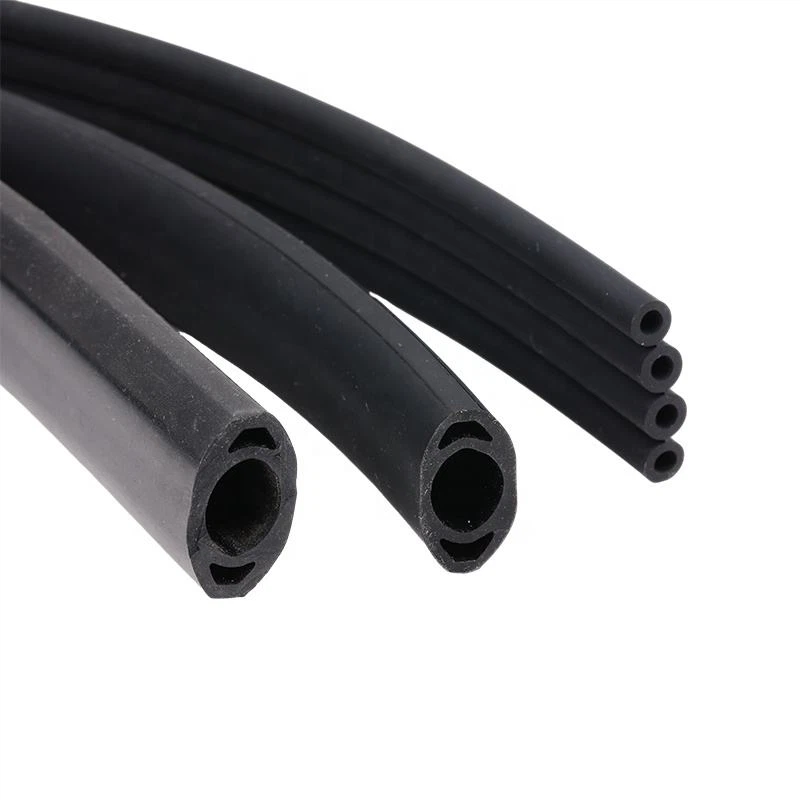

- Automotive Industry: Silicone seal strips are used in automotive engines, transmissions, and exhaust systems to provide a reliable seal against heat, oil, and chemicals. They are also used in window and door seals, sunroofs, and weatherstripping to prevent water and air leakage.
- Electrical Industry: Silicone seal strips are used in electrical enclosures, switches, and connectors to provide electrical insulation and protection against dust, moisture, and chemicals. They are also used in LED lighting fixtures to provide a waterproof and dustproof seal.
- Medical Industry: Silicone seal strips are used in medical devices, such as syringes, catheters, and surgical instruments, to provide a sterile and leak-proof seal. They are also used in hospital equipment, such as incubators and ventilators, to prevent the spread of bacteria and viruses.
- Food and Beverage Industry: Silicone seal strips are used in food processing equipment, such as ovens, mixers, and conveyors, to provide a hygienic and heat-resistant seal. They are also used in food packaging, such as jars and bottles, to prevent leakage and contamination.
Rubber Seal Strips
Rubber seal strips are also widely used in various industries and applications, especially where high elasticity and abrasion resistance are required. Some common applications of rubber seal strips include:
- Automotive Industry: Rubber seal strips are used in automotive doors, windows, and trunks to provide a weathertight seal and reduce noise and vibration. They are also used in engine mounts, suspension bushings, and transmission seals to absorb shock and provide a flexible connection.
- Construction Industry: Rubber seal strips are used in building construction to seal joints, gaps, and openings in windows, doors, roofs, and walls. They are also used in plumbing and HVAC systems to prevent water and air leakage.
- Industrial Machinery: Rubber seal strips are used in industrial machinery, such as pumps, valves, and compressors, to provide a seal against fluids and gases. They are also used in conveyor belts, rollers, and bearings to reduce friction and wear.
- Consumer Goods: Rubber seal strips are used in consumer goods, such as refrigerators, washing machines, and dishwashers, to provide a waterproof and airtight seal. They are also used in sports equipment, such as tennis rackets and golf clubs, to provide a comfortable grip and reduce vibration.
Cost
In general, silicone seal strips are more expensive than rubber seal strips. This is due to the higher cost of raw materials and the more complex manufacturing process involved in producing silicone. However, the higher cost of silicone seal strips is often justified by their superior performance and longer service life. When choosing between silicone and rubber seal strips, it's important to consider the specific requirements of your application and the long-term cost-effectiveness of the materials.
Conclusion
In summary, silicone and rubber seal strips have distinct differences in terms of material composition, physical properties, applications, and cost. Silicone seal strips offer superior temperature resistance, chemical resistance, weather resistance, and compression set, making them suitable for use in harsh environments and applications where a high-performance seal is required. Rubber seal strips, on the other hand, are more affordable and offer high elasticity and abrasion resistance, making them a popular choice for applications where cost is a major factor.
As a supplier of Silicone Seal Strips, I can provide you with high-quality products that meet your specific requirements. Whether you need Special Shaped Silicone Strip for a unique application or Silicone Extruded Strips for a standard sealing solution, I have the expertise and resources to deliver. If you're interested in purchasing silicone seal strips or have any questions about our products, please don't hesitate to contact me for a consultation. I look forward to working with you to find the perfect sealing solution for your needs.
References
- ASTM International. (2023). ASTM D1418 - Standard Terminology for Rubber and Rubber Latices - Nomenclature.
- Dow Corning. (2023). Silicone Elastomers: Properties and Applications.
- Rubber Manufacturers Association. (2023). Rubber Product Design Manual.