

Silicone edging strips are versatile products with a wide range of applications across various industries. As a leading supplier of silicone edging strips, I've witnessed firsthand the diverse materials these strips can be used on. In this blog post, I'll explore the different materials that are compatible with silicone edging strips, highlighting their unique benefits and applications.
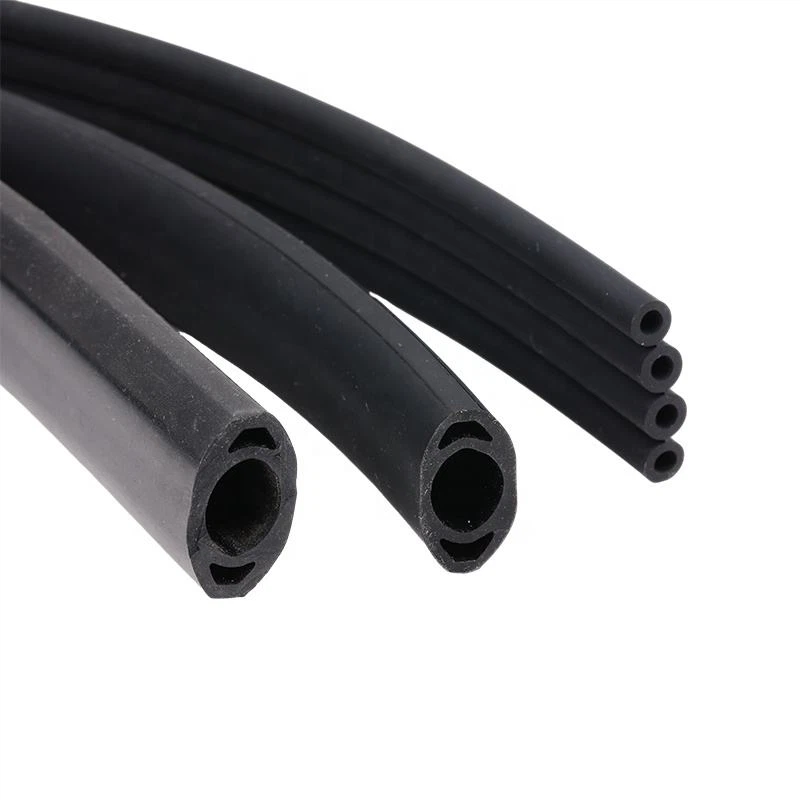

Glass
One of the most common materials where silicone edging strips are used is glass. Glass is a fragile material that requires protection from impacts and scratches. Silicone edging strips provide a soft, cushioning layer that helps prevent damage to the glass edges. They are commonly used in applications such as glass doors, windows, and display cases.
The flexibility of silicone allows it to conform to the shape of the glass, ensuring a snug fit. This not only protects the glass but also helps to seal out drafts and moisture. For example, in a glass window, silicone edging strips can be installed around the perimeter to prevent air leakage, improving energy efficiency. Additionally, the smooth surface of silicone edging strips gives a clean and professional look to the glass installation.
When choosing a silicone edging strip for glass, it's important to select a product that is transparent or has a color that complements the glass. This ensures that the edging strip does not detract from the aesthetic appeal of the glass. Our Silicone Rubber Sponge Seal is an excellent choice for glass applications, as it offers both protection and a clean finish.
Metal
Silicone edging strips are also widely used on metal surfaces. Metal can be prone to corrosion and scratching, especially in high-traffic or industrial environments. Silicone edging strips act as a barrier, protecting the metal from damage and reducing the risk of corrosion.
In automotive applications, silicone edging strips are used to seal doors, windows, and trunks. They provide a weatherproof seal that keeps out water, dust, and noise. The high-temperature resistance of silicone makes it suitable for use in engine compartments, where it can withstand the heat generated by the engine.
In the construction industry, silicone edging strips are used on metal frames and panels to provide a watertight seal. They can also be used to cover sharp edges, improving safety. Our Silicone Rubber Strips With Adhesive are ideal for metal applications, as they can be easily adhered to the metal surface, ensuring a secure and long-lasting seal.
Plastic
Plastic is another material that benefits from the use of silicone edging strips. Plastic can be brittle and prone to cracking, especially in cold temperatures. Silicone edging strips provide a flexible and shock-absorbent layer that helps prevent damage to the plastic.
In consumer products, silicone edging strips are used on plastic casings and enclosures to provide a seal and protect the contents from dust and moisture. They can also be used to improve the grip of plastic handles and knobs.
In the electronics industry, silicone edging strips are used to seal electronic devices, protecting them from environmental factors such as moisture and dust. The electrical insulation properties of silicone make it suitable for use in electronic applications, where it can prevent short circuits and electrical interference. Our Special Shaped Silicone Strip can be customized to fit the specific shape of plastic components, providing a precise and effective seal.
Wood
Silicone edging strips can also be used on wood surfaces. Wood is a natural material that can be affected by moisture, insects, and wear and tear. Silicone edging strips can help protect the wood from these factors, extending its lifespan.
In furniture manufacturing, silicone edging strips are used on the edges of wooden tables, chairs, and cabinets to prevent chipping and scratching. They can also be used to provide a seal, keeping out dust and moisture.
In the construction industry, silicone edging strips are used on wooden doors and windows to improve their energy efficiency and weather resistance. They can also be used to cover the joints between wooden panels, providing a smooth and professional finish.
Ceramics
Ceramics are fragile materials that require careful handling and protection. Silicone edging strips can be used on ceramic surfaces to prevent damage from impacts and scratches. They are commonly used on ceramic tiles, dishes, and decorative items.
The soft and flexible nature of silicone makes it suitable for use on ceramics, as it does not scratch or damage the surface. Silicone edging strips can also be used to provide a seal, preventing water and dirt from entering the gaps between ceramic tiles.
Other Materials
In addition to the materials mentioned above, silicone edging strips can be used on a variety of other materials, including rubber, fabric, and composite materials. They can be used to seal, protect, and enhance the performance of these materials in a wide range of applications.
For example, in the textile industry, silicone edging strips can be used on fabric edges to prevent fraying and provide a clean finish. In the aerospace industry, silicone edging strips are used on composite materials to provide a seal and protect against environmental factors.
Conclusion
Silicone edging strips are a versatile and essential product that can be used on a wide range of materials. Whether you're working with glass, metal, plastic, wood, ceramics, or other materials, silicone edging strips can provide protection, sealing, and aesthetic benefits.
As a supplier of high-quality silicone edging strips, we offer a wide range of products to meet the needs of different applications. Our products are made from premium silicone materials, ensuring durability, flexibility, and performance.
If you're interested in learning more about our silicone edging strips or have specific requirements for your project, please don't hesitate to contact us. We'd be happy to discuss your needs and provide you with the best solutions. Let's work together to find the perfect silicone edging strip for your application.
References
- "Silicone Rubber Handbook" by David A. Thomas
- "Handbook of Sealants" by Robert M. Fardello