

Hey there! As a supplier of Silicone Sponge Strip, I often get asked whether silicone sponge strip can be used for pipeline sealing. Well, let's dive right into it and explore this topic in detail.
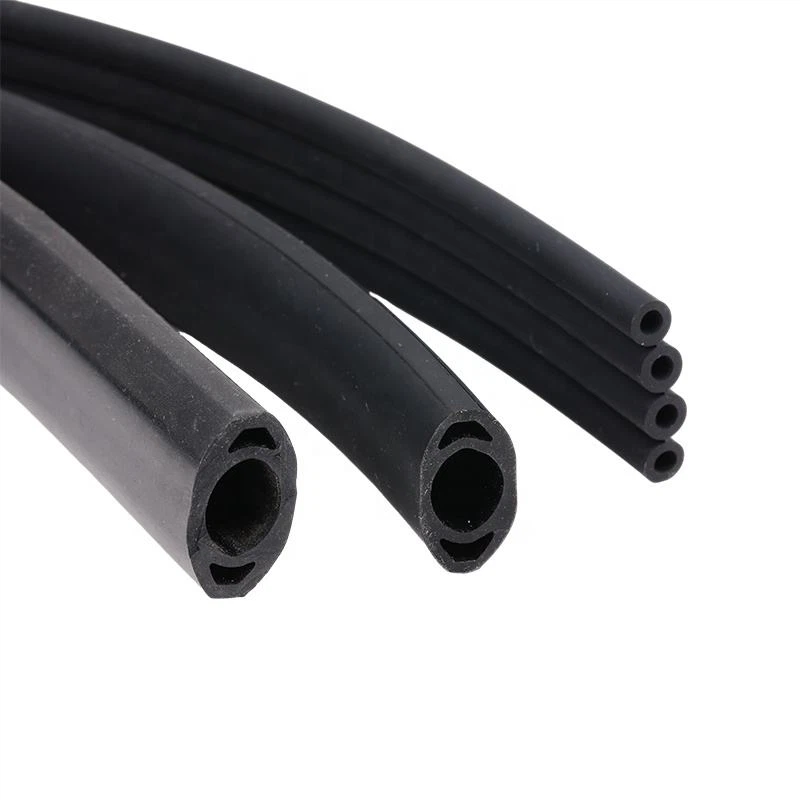
First off, what exactly is a silicone sponge strip? Silicone sponge strip is a flexible and porous material made from silicone rubber. It has a unique cellular structure that gives it some pretty cool properties. You can check out more about it on our Silicone Sponge Strip page.
Now, let's talk about pipeline sealing. Pipeline sealing is crucial in many industries, from plumbing to industrial manufacturing. A good seal prevents leaks, which can lead to all sorts of problems like loss of fluids, environmental hazards, and even equipment damage. So, can silicone sponge strip do the job?
One of the key advantages of using silicone sponge strip for pipeline sealing is its flexibility. It can easily conform to the shape of the pipeline, whether it's straight, curved, or has irregular surfaces. This means it can create a tight seal around the pipeline, minimizing the risk of leaks. For example, in a plumbing system where pipes may have bends and joints, silicone sponge strip can be wrapped around these areas to provide a reliable seal.
Another great feature of silicone sponge strip is its resistance to various environmental factors. It can withstand high and low temperatures, which is essential for pipelines that carry hot or cold fluids. Whether it's a steam pipeline in an industrial plant or a refrigeration pipeline in a food storage facility, silicone sponge strip can maintain its sealing properties. It's also resistant to chemicals, moisture, and UV radiation, making it suitable for use in different environments.
Silicone sponge strip also has good compression set properties. This means that when it's compressed to form a seal, it will return to its original shape once the pressure is removed. This helps to ensure a long - lasting seal, as the strip won't lose its ability to seal over time. For instance, in a pipeline that experiences regular pressure changes, the silicone sponge strip can still maintain a tight seal.
In addition to its functional benefits, silicone sponge strip is also relatively easy to install. You don't need any special tools or skills to cut and fit it around the pipeline. This can save time and labor costs, especially in large - scale pipeline installation projects.
However, it's not all sunshine and rainbows. There are some situations where silicone sponge strip may not be the best choice for pipeline sealing. For example, in high - pressure pipelines where the pressure is extremely high, the sponge structure of the strip may not be able to withstand the force. In such cases, a more solid silicone seal, like our Silicone Seal Strip, might be a better option.
Also, if the pipeline is carrying abrasive fluids, the porous nature of the silicone sponge strip could make it more prone to wear and tear. In these situations, a Special Shaped Silicone Strip that is designed to be more resistant to abrasion might be required.
So, in conclusion, silicone sponge strip can be a great option for pipeline sealing in many cases. Its flexibility, environmental resistance, and ease of installation make it a popular choice. But it's important to consider the specific requirements of your pipeline, such as pressure, fluid type, and temperature, before deciding whether it's the right fit.
If you're interested in using silicone sponge strip for your pipeline sealing needs, or if you have any questions about which type of silicone strip would be best for your project, don't hesitate to reach out. We're here to help you find the perfect solution for your pipeline sealing requirements.
References:

- Industry standards for pipeline sealing materials
- Technical specifications of silicone sponge strip products