

When it comes to automotive performance, the intake system plays a crucial role in ensuring that the engine receives a proper air - fuel mixture. As a leading silicone intake hose supplier, I've encountered numerous customers who have faced the dreaded check engine light issue after installing our silicone intake hoses. In this blog, I'll delve into the possible reasons for a check engine light when using a silicone intake hose.
1. Air Leakage
One of the most common reasons for a check engine light when using a silicone intake hose is air leakage. Even though silicone intake hoses are known for their durability and flexibility, improper installation can lead to gaps between the hose and the intake manifold or throttle body. When there is an air leak, the engine control unit (ECU) detects an imbalance in the air - fuel ratio. The ECU is programmed to maintain a specific ratio for optimal engine performance and emissions. An unexpected influx of unmetered air due to a leak can cause the engine to run lean, meaning there is too much air relative to the amount of fuel.
Modern engines are equipped with mass airflow sensors (MAF) that measure the amount of air entering the engine. If the MAF sensor detects an abnormal airflow due to an air leak, it sends incorrect signals to the ECU. The ECU then tries to adjust the fuel injection accordingly, but if the problem persists, it will trigger the check engine light. To avoid this issue, it's essential to ensure a proper seal when installing the silicone intake hose. Make sure all clamps are tightened securely, and check for any visible gaps or cracks in the hose.
2. Vacuum Leak
Silicone intake hoses are often part of the engine's vacuum system. A vacuum leak can occur if the silicone hose has a puncture or if the connections are not air - tight. The engine relies on vacuum pressure for various functions, such as powering the brake booster, operating the EGR (Exhaust Gas Recirculation) valve, and controlling the PCV (Positive Crankcase Ventilation) system.
A vacuum leak can disrupt these functions and cause the engine to misbehave. For example, if the EGR valve is not operating correctly due to a vacuum leak, it can lead to increased emissions and reduced engine performance. The ECU monitors the vacuum pressure in the intake manifold, and if it detects a drop in pressure, it will trigger the check engine light. Our Vacuum Silicone Hose is designed to withstand the rigors of the vacuum system, but proper installation and regular inspection are still necessary.
3. MAF Sensor Contamination
The mass airflow sensor is a critical component in the intake system. It measures the amount of air entering the engine and sends this information to the ECU. When using a silicone intake hose, there is a risk of the MAF sensor getting contaminated. Silicone hoses can sometimes release small amounts of silicone particles over time, especially if they are exposed to high temperatures or harsh chemicals.
These particles can accumulate on the MAF sensor, affecting its accuracy. A contaminated MAF sensor will send incorrect signals to the ECU, leading to improper fuel injection and potentially triggering the check engine light. To prevent MAF sensor contamination, it's advisable to use high - quality silicone hoses that are designed to minimize particle release. Additionally, regular cleaning of the MAF sensor can help maintain its accuracy.
4. Incorrect Hose Size or Design
Using a silicone intake hose that is the wrong size or design for your engine can also cause problems. If the hose is too small, it can restrict the airflow, leading to reduced engine performance. On the other hand, if the hose is too large, it can cause turbulence in the airflow, which can also affect the MAF sensor readings.
Moreover, the design of the hose is crucial. Some engines require a specific shape or routing of the intake hose to ensure proper airflow. Using a hose with an incorrect design can disrupt the airflow pattern and cause the engine to run inefficiently. As a silicone intake hose supplier, we offer a wide range of hoses with different sizes and designs to fit various engine models. It's important to choose the right hose for your specific vehicle to avoid check engine light issues.
5. Compatibility with Engine Sensors
Modern engines are equipped with a variety of sensors that monitor different aspects of the engine's performance. These sensors are calibrated to work with specific components in the intake system. When installing a silicone intake hose, it's important to ensure that it is compatible with these sensors.
For example, some engines have sensors that are sensitive to the material or surface finish of the intake hose. If the silicone hose has a different electrical conductivity or surface texture than the original hose, it can interfere with the sensor's operation. This can lead to incorrect sensor readings and ultimately trigger the check engine light. Before purchasing a silicone intake hose, it's advisable to check with the manufacturer or a professional mechanic to ensure compatibility with your engine's sensors.
6. Chemical Reactions
Silicone is a relatively stable material, but it can react with certain chemicals or substances in the engine environment. For example, if the silicone hose comes into contact with oil or coolant, it can cause a chemical reaction that may damage the hose. A damaged hose can develop cracks or leaks, leading to air or vacuum leaks and triggering the check engine light.
It's important to keep the intake system clean and free from contaminants. Regular maintenance, such as changing the oil and coolant at the recommended intervals, can help prevent chemical reactions that could damage the silicone intake hose.
7. Electrical Interference
In some cases, the silicone intake hose itself may not be the direct cause of the check engine light, but it can contribute to electrical interference. Silicone is an insulator, and if it is in close proximity to electrical wiring or sensors, it can create an electrostatic charge. This electrostatic charge can interfere with the electrical signals sent by the sensors to the ECU.
For example, if the silicone hose is rubbing against a sensor wire, it can cause a short - circuit or intermittent electrical connection. The ECU may interpret these electrical irregularities as a malfunction and trigger the check engine light. To prevent electrical interference, make sure the silicone intake hose is properly routed and secured away from electrical components.
Conclusion
As a silicone intake hose supplier, we understand the importance of providing high - quality products that are reliable and compatible with various engines. While there are several possible reasons for a check engine light when using a silicone intake hose, most of these issues can be avoided with proper installation, maintenance, and selection of the right hose.
If you're experiencing a check engine light after installing our silicone intake hose, don't panic. First, check for any visible signs of damage or leaks. If you're unsure, it's always a good idea to consult a professional mechanic. We also offer a range of related products, such as Medical Transparent Silicone Tubing and Medical Silicone Tubing, which are designed to meet the high - standards of different industries.

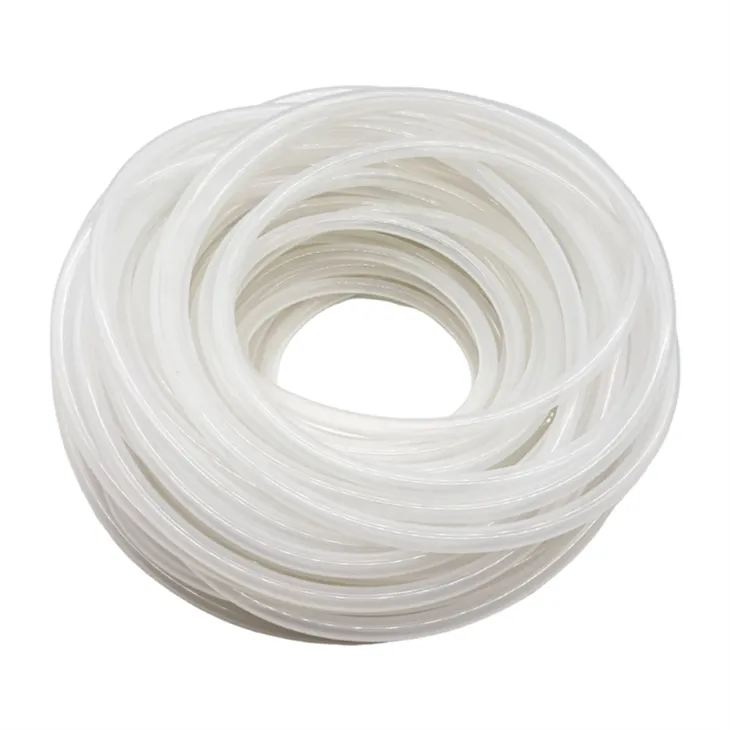
If you're interested in purchasing our silicone intake hoses or have any questions about our products, we encourage you to reach out to us for a detailed discussion. Our team of experts is ready to assist you in finding the perfect solution for your automotive needs.
References
- Bosch Automotive Handbook, 7th Edition
- Chilton's Repair Manuals
- SAE International Technical Papers