


Nanjing New Run Rubber&Plastic Co.Ltd.
Nanjing New Run Rubber&Plastic Co..Ltd.is a professional manufacturer leading in producing exporting various types of silicone rubber sheet, silicone foam sheet, silicone tube as well as other rubber products.
Why Choose Us
Professional team: Our advanced staffs and engineers persistently supplying our clients the competitive price preeminent quality as well as considerate after sale services
Quality products: The product quality has been recognized by customers and exported to more than 30 countries and regions such as Southeast Asia, America and Europe.
Online support: Online consultation, From pre-sales to after-sales, there are special personnel to meet customer customization requirements.
Authoritative Quality Supervision: Product complies with quality management system standards
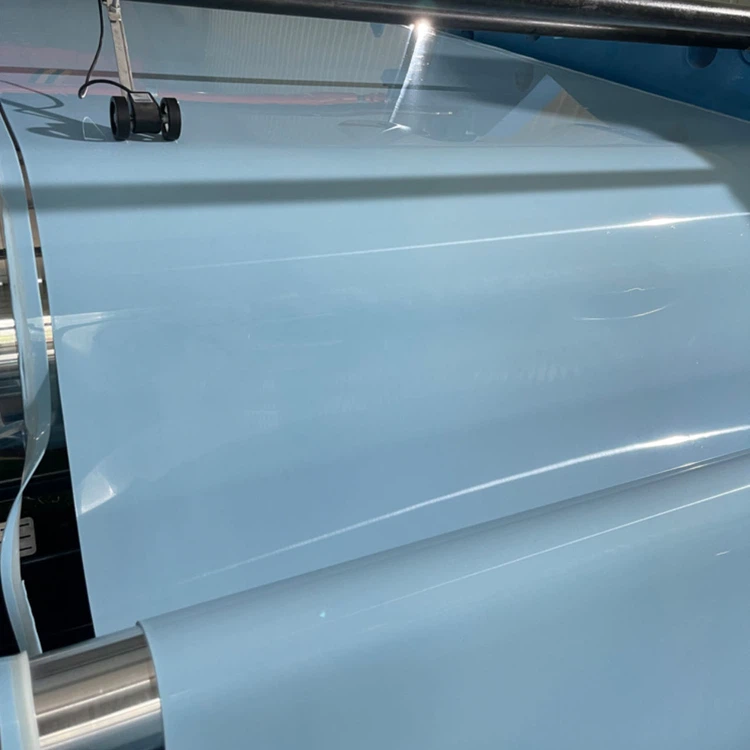


Definition: Conductive Rubber is a generic term referring to any rubberized material with conductive properties which reduce or eliminate the EMI/RFI (electromagnetic interference and radio frequency interference) "noise" that is often associated with electronics.
Thermal conductive silicone sheets are used for their ability to transfer heat in various industrial applications.
1.The sheet is typically made of a silicone material with thermally conductive particles or fillers added to enhance its heat transfer properties.
2.Thermal conductive silicone sheets are used in electronic and electrical applications where heat needs to be dissipated, such as in LED lighting or computer components.
3.They can be customized in terms of thickness, thermal conductivity, and surface finish to suit different applications.
4.Proper storage and handling is important to ensure effective and consistent performance.
What Are the Differences Between Thermally Conductive Silicone Sheets and Ceramic Heat Sinks
From the aspects of temperature resistance range, material hardness, insulation performance, thermal conductivity, bonding performance, etc., the specific distinctions are as follows.
Thermal Conductive Silicone Sheet Performance and Characteristics
Thermal Conductive Silicone Sheet Temperature Resistance Range
The high temperature working range of high thermal conductivity silicone sheets is 200℃, but ceramic heat sinks can be used normally in high temperature environments above 1700℃.
Material Hardness of Thermally Conductive Silicone Sheet
Thermal conductive silica gel sheet is an elastic silica gel material with good compressibility, while ceramic heat sink is a high-hard ceramic material. In terms of hardness, ceramic heat sink fin is much higher than thermal conductive silica gel sheet.
Insulating Properties of Thermally Conductive Silicone Sheets
The breakdown voltage of the thermally conductive silicone sheet is 4.5KV/mm, while the breakdown voltage of the ceramic heat sink is 15KV/mm, and the volume resistance of the ceramic heat sink is also as high as 1012Ω·m.
Ceramic Heat Sink Performance and Characteristics
Thermal Conductivity of Ceramic Heat Sink
The thermal conductivity of thermal silica gel sheets is far inferior to that of thermally conductive ceramic sheets doped with a large amount of alumina and aluminum nitride. The thermal conductivity of alumina ceramic heat sinks is more than 5 times that of high thermal conductivity silica gel sheets.
Fitting Performance of Ceramic Heat Sink
The good insulation and soft tape properties of the thermally conductive silicone sheet make it extremely superior in conformability, and also make it widely used in heat conduction and heat dissipation on the chips of various electronic products. However, the heat transfer of the thermally conductive ceramic sheet requires a certain amount of thermal conductivity. Silicone grease increases its conformability, which is one of the main reasons why thermally conductive ceramic sheets are not widely used in electronic products for heat conduction and heat dissipation.
The Following is A Summary
|
Thermal conductive material |
Thermal conductive silicone sheet |
Ceramic heat sink |
|
Temperature resistance range |
200℃ |
1700℃ |
|
Hardness |
Low |
High |
|
Insulating (breakdown voltage) |
4.5KV/mm |
15KV/mm |
|
Thermal conductivity |
Low |
5 times |
|
Fitting performance |
Good |
Not very good |
Conclusion
Because each thermal conductive material has electronic thermal conductivity and heat dissipation application scenarios that are adapted to its characteristics, customers need to choose the required heat dissipation material according to their needs.
The Power of Silicone Gaskets and Seals


Silicone rubber is versatile materials made from a synthetic polymer composed of silicon, oxygen, carbon, and hydrogen. Silicone rubber can be molded, extruded or calendered. Calendering silicone rubber allows fabricators to cut a multitude of configurations from the Calendered silicone sheet. The silicone sheet can be provided in either cured or uncured forms.
Key Advantages of Silicone Sheets
Silicone sheets offer a range of benefits, contributing to their widespread use across different applications. Here are their advantages:
Versatility: This material exhibits remarkable flexibility, allowing it to adapt to different shapes and contours. It is suitable for applications with varying geometric requirements.
Temperature resistance: Silicone maintains structural integrity across a broad temperature spectrum (no other elastomer performance as well as silicone across a broad temperature range – from -180F – 600F). This makes silicone invaluable in applications where exposure to extreme temperatures is common such as aerospace, automotive, rail and others.
Durability and longevity: Silicone can withstand regular wear and tear, ensuring a longer lifespan than many other materials.
Biocompatibility: Silicones are well-tolerated by living tissues, providing a safe and effective solution for promoting optimal healing.
Stability: Being an inert material, silicone does not react with most substances. This makes them suitable for applications where material interactions need to be minimized.
Hygienic: The smooth surface of silicone resists the buildup of contaminants, contributing to a clean and sterile environment.
Versatile Applications Across Industries
Silicones boast a wide array of applications across various industries. Here are some of them:
Healthcare
Silicone sheeting is extensively utilized in the medical field for scar management. They provide a protective layer over scars, aiding in hydration and creating an optimal environment for healing. The non-invasive nature of silicone sheets also makes them a preferred choice for minimizing the appearance of scars.
In addition to scar management, this material is employed in wound dressings due to its biocompatibility. The sheets conform to the body's contours, offering a comfortable and effective solution for wound care.
Consumer Goods
Silicone sheeting is widely used to manufacture bakeware and kitchen tools. The non-stick properties of silicone make these products easy to clean and ensure the effortless release of food residue.
Furthermore, their flexibility and safety are used in baby products such as pacifiers and teething toys. Their hypoallergenic nature adds an extra layer of assurance for infant care.
Industrial Sector
One notable use of silicone sheets in the industrial sector is gaskets and seals in machinery and equipment. Their resistance to extreme temperatures, chemicals, and UV radiation makes them suitable for creating durable and reliable seals, ensuring the integrity of industrial processes.
In addition, their thermal stability allows them to act as effective insulators in electrical components and systems. This is crucial for maintaining the efficiency and safety of industrial equipment.
Automotive
Silicone sheets are used for gaskets and seals in engines and other critical components in the automotive industry. Their ability to withstand high temperatures and resist chemicals contributes to the reliability and longevity of automotive systems. And most recently has become a critical component in EV thermal management.
In addition, these sheets are employed for vibration dampening in vehicles, reducing noise and enhancing the overall comfort of the driving experience.
Electronics
Silicone sheet serves as thermal interface materials in electronics. Due to their excellent thermal conductivity, they help dissipate heat generated by electronic components, preventing overheating and ensuring optimal performance. Moreover, the material's flexibility and resistance to temperature extremes make it suitable for creating durable and versatile flexible printed circuit boards (FPCBs) in electronic devices. Some examples include smartphones and wearables.
Construction and Architecture
Due to their ability to resist moisture and extreme temperatures, silicone sheet is suitable for construction processes, providing a reliable barrier against the elements. For instance, this material is used to create weatherproof seals for doors, windows, and other building components.
Silicone sheeting is also used in structural glazing systems and the production of roofing membranes and coatings. They provide weather-resistant protection while contributing to the overall energy efficiency of buildings.
Innovative Uses That Are Transforming Industries
The use of silicone sheeting has evolved, and several innovative applications have emerged across various fields. These advancements leverage the unique properties of silicone to address new challenges and enhance existing technologies. Here are some of its latest uses:
Flexible Electronics
Silicone sheet is being used in the development of flexible and stretchable electronics. These circuits can conform to irregular shapes, paving the way for wearable devices, flexible displays, and even electronic skin for robots.
Soft Robotics
These sheets are integral to soft robotics, where robots are designed to mimic the flexibility and adaptability of living organisms. Silicone-based soft grippers and actuators are used in applications where traditional rigid robots may be impractical, such as in delicate object handling or medical procedures.
Automotive Advancements
Silicone sheets are being explored for self-healing applications in automotive components. They could potentially repair minor damages, extending the lifespan of automotive parts and reducing maintenance needs.
Green Building Materials
Solar roofing tiles, embedded with silicone-based solar cells, can seamlessly integrate into building structures. This provides a more aesthetically pleasing and energy-efficient alternative to traditional solar panels.
Smart Textiles
Silicone sheet is integrated into smart textiles to create wearable technology. From health monitoring to interactive clothing, these silicone-based sensors and circuits provide a comfortable and flexible platform for incorporating technology into everyday attire.
The different types of silicone tubing include:
Silicone Peroxide Cured Tubing
Silicone peroxide tubing is available in a translucent format in different diameters. This type of silicone tubing mostly suits applications that do not require high purity, repeated sterilization, and critical dosing. Silicone peroxide tubing is most commonly used for different pump and transfer applications.
These applications include automotive and industrial applications. This product can withstand temperatures as high as 392°F (200°C). In addition, peroxide-cured silicone tubing is more cost-effective than many other compounds. This makes it most suitable for general tubing applications.
Platinum-Cured Silicone Tubing
Platinum-cured silicone tubing has many advantages over peroxide-cured silicone tubing. These advantages make it very popular in the food and beverage industries. This type of silicone tubing exhibits a high tear strength. It can operate in a broad range of temperatures ranging from -40°F (-40°C) to 392°F (200°C). This enables the use of this product in many different applications and environments without deterioration.
Platinum-cured silicone tubing contains no peroxide by-products, is non-yellowing, and is translucent, black, or white. This type of silicone tubing is most suitable for use in peristaltic pumps. It also has a long life expectancy, which makes it suitable for this application compared to other products. Platinum-cured silicone tubing can be used in hot or cold water applications. It is predominant in the non-invasive medical and pharmaceutical industries.
Silicone Dairy Tubing
As suggested by the name, this type of silicone tubing is specifically designed and manufactured for use in the dairy industry. This is because of the product's high mechanical wear and tear strength properties. In addition, most silicone dairy tubes are platinum-cured, bringing many benefits to this tubing over other tubing products. For example, silicone dairy tubing is non-yellowing and does not contain any peroxide by-products.
This tubing does not harden or corrode after long periods of use. It also features an extra-smooth inner bore for improving flow rate and hygiene levels.
Silicone Fuel Tubing
Silicone fuel tubing is most commonly utilized in the radio-controlled model car industry. This type of silicone tubing exhibits high resistance to methanol and nitro fuels, keeping the fuel cleaner and reducing the tubing's deterioration. This tubing is found in many different aesthetically pleasing colors to match any car color. It must be noted that silicone fuel tubing is designed to be used with radio-controlled model cars and is not ideal for use with petrol.
High-Temperature Silicone Tubing
High-temperature silicone tubing is resistant to extreme temperature variations. The name of a silicone hose is typically followed by a number, like 550. This number indicates the hose's absolute maximum point of heat tolerance. Choosing the appropriate high-temperature silicone hose will be simple if temperatures are anticipated properly.
High-temperature ducting products do require one point of distinction, though. A hose may be able to withstand very high temperatures, but this does not mean it won't burn or catch fire. The difference between a product's thermal resistance and burn point is that the term "burn point" describes a substance's capacity to ignite when in contact with fire. It should be verified that the hose was manufactured following the requirements for flame retardant materials if you need a high-temperature duct that can withstand coming into contact with flames.
A high-temperature silicone hose may need to be flexible depending on the application's requirements. A high-temperature duct that can bend and flex in confined spaces is extremely useful. A silicone high-temperature hose is flexible but may eventually experience flex fatigue if continually bent. If the material is flexed in numerous ways, it may eventually rip. A high-temperature silicone hose will often maintain its straight shape unless manually bent.
A high-temperature silicone hose can resist harsh chemicals and temperatures. The silicone compound has the capacity to withstand chemical exposure. A silicone high-temperature hose can often withstand coming into contact with specific oils, solvents, and gasses. The best course of action is to confirm that a silicone hose is compatible with the chemicals used in the application.
Food-Grade Silicone Tubing
For usage in food and beverage applications, food-grade silicone is a strong, long-lasting substance that offers a healthier, more inert substitute for plastics. The absence of plasticizers in silicone makes it much less likely for BPA and other dangerous chemicals to leak into food and beverages. It also stops flavors and aromas from transferring to the food or beverage it contacts. Silicone is a great material for food storage and transportation to combat single-use plastics since it is strong, non-porous, and temperature-tolerant.
This type of silicone tubing is reliable. Its advantages include stability, temperature resistance, and non-stick properties. This makes it most suitable for use in the food and beverage industries. Food-grade silicone tubing does not react with food ingredients and fluids and can be sterilized in standard autoclaves. It features surface qualities that resist the buildup of transported material on the inside.
Our Factory
Our products range from commercial grade silicone rubber sheet to Food grade silicone rubber sheet including silicone tube , we do also involves in other rubber sheet such as Natural rubber, SBR, NBR, EPDM which feature oil-resistance acid and alkali-resistance water proof fire-retardant, insulation,conductive and anti-slipping all the above grades are supplied in multiple colors in order to optimally meet our clients specific requests.

FAQ
Q: What is electrically conductive silicone?
Q: What are the properties of conductive silicone rubber?
Q: Does silicone hold static electricity?
Q: What is conductive rubber used for?
Q: What is the conductivity of silicone rubber?
Q: Is pure silicone a good conductor?
Q: What's the difference between silicone and medical grade silicone?
Q: How durable is medical grade silicone?
Q: Can medical grade silicone be reused?
Q: Is silicone tubing food safe?
Q: Is silicone tubing safe for drinking water?
Q: How do you disinfect silicone tubing?
Q: Does silicone tubing leach?
Q: Is silicone vacuum hose better?
Q: What is the purpose of silicone hose?
Q: Can I use silicone hose for vacuum line?
Q: What is the difference between silicone and rubber hoses?
Q: Are silicone hose kits worth it?
Q: Can silicone tubing be used for vacuum?
Q: What is the best material for vacuum hoses?
Hot Tags: conductive silicone sheet, China conductive silicone sheet manufacturers, suppliers, factory, first class silicone sheet, loop silicone sheet, waterproof silicone sheet, thin silicone sheet, food grade silicone sheet, porous silicone sheet


