


Nanjing New Run Rubber&Plastic Co.Ltd.
Nanjing New Run Rubber&Plastic Co..Ltd.is a professional manufacturer leading in producing exporting various types of silicone rubber sheet, silicone foam sheet, silicone tube as well as other rubber products.
Why Choose Us
Professional team: Our advanced staffs and engineers persistently supplying our clients the competitive price preeminent quality as well as considerate after sale services
Quality products: The product quality has been recognized by customers and exported to more than 30 countries and regions such as Southeast Asia, America and Europe.
Online support: Online consultation, From pre-sales to after-sales, there are special personnel to meet customer customization requirements.
Authoritative Quality Supervision: Product complies with quality management system standards
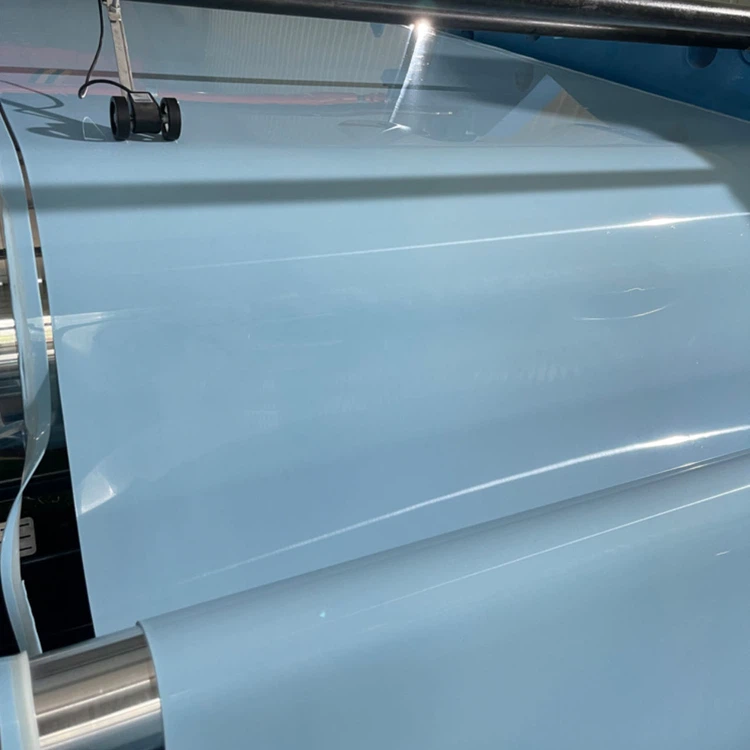


Translucent silicone rubber has many benefits. This material is chemically inert and possesses no odor and no outgassing properties. Because of these properties, it can be used in a variety of applications. This material is used for various applications including silicon o-rings, packings, gaskets, membrane switches, keypads, and peripheral nerve studies. It is also available in a range of colors that are ideal for designing flexible materials.
Translucent silicone rubber is transparent, unlike black elastomers. It is non-marking and withstands high temperatures. It can also serve as an excellent substitute for plastics, which are very hard and scratch-resistant. Lastly, high-temperature silicone rubber is extremely versatile, allowing it to be used in any area where a rubber material is required. In short, it's a great choice for any application where a smooth surface is crucial.
This durable, flexible material is available in different shapes, textures, and colors. It has the same resistance characteristics as clear silicone, but it has a translucent appearance. This makes it ideal for many projects that require a sleek, professional look. These materials have a medium durometer rating. They have a comparatively high resistance to physical indentation, which makes them a good choice for molds. And because they're non-marking, they're perfect for a variety of applications.
Clear silicone has a similar resistance profile as other silicone rubbers, but it's more opaque. It's non-marking, and can withstand temperatures of -70 degrees Fahrenheit up to 240 degrees. Because it's clear, it can be cast without any release agent. This material can be cast with wax or low-melt metal alloys. It's also very flexible and easy to apply. And if you need to cast into a mold, translucent silicone will provide the perfect solution.
Translucent silicone sheet is highly coveted. Its non-marking properties make it an ideal replacement for plastics. As long as there are no sharp edges, the material won't snag. The versatility of this silicone rubber makes it a desirable choice in any industry. It can be used in various settings, from medical devices to automobiles and electrical panels. These products are made of translucent silicone rubber. Its non-marking properties make this material a great option for automotive manufacturers.
What Material Is Silicone Tubing
This type of pipe is usually processed from silicone rubber raw rubber in a rubber mixing machine or closed kneading machine, with the addition of white carbon black and other additives for uniform refining, and made by extrusion molding according to industry product technical standards. Silicone tube has a variety of characteristics, such as non-toxic, odorless, acid and alkali resistant, anti-aging, corrosion resistant, non cracking, long service life, cold resistant, high temperature resistant, etc. And it has good resilience, smooth inner wall without burrs, and is easy to clean. They are commonly used for fluid transportation and transfer in industries such as healthcare, food, chemistry, and electronics. According to different application requirements, silicone tubes can be divided into medical silicone tubes, food grade silicone tubes, and industrial silicone tubes.
Types of Silicone Tube


The different types of silicone tubing include:
Silicone Peroxide Cured Tubing
Silicone peroxide tubing is available in a translucent format in different diameters. This type of silicone tubing mostly suits applications that do not require high purity, repeated sterilization, and critical dosing. Silicone peroxide tubing is most commonly used for different pump and transfer applications.
These applications include automotive and industrial applications. This product can withstand temperatures as high as 392°F (200°C). In addition, peroxide-cured silicone tubing is more cost-effective than many other compounds. This makes it most suitable for general tubing applications.
Platinum-Cured Silicone Tubing
Platinum-cured silicone tubing has many advantages over peroxide-cured silicone tubing. These advantages make it very popular in the food and beverage industries. This type of silicone tubing exhibits a high tear strength. It can operate in a broad range of temperatures ranging from -40°F (-40°C) to 392°F (200°C). This enables the use of this product in many different applications and environments without deterioration.
Platinum-cured silicone tubing contains no peroxide by-products, is non-yellowing, and is translucent, black, or white. This type of silicone tubing is most suitable for use in peristaltic pumps. It also has a long life expectancy, which makes it suitable for this application compared to other products. Platinum-cured silicone tubing can be used in hot or cold water applications. It is predominant in the non-invasive medical and pharmaceutical industries.
Silicone Dairy Tubing
As suggested by the name, this type of silicone tubing is specifically designed and manufactured for use in the dairy industry. This is because of the product's high mechanical wear and tear strength properties. In addition, most silicone dairy tubes are platinum-cured, bringing many benefits to this tubing over other tubing products. For example, silicone dairy tubing is non-yellowing and does not contain any peroxide by-products.
This tubing does not harden or corrode after long periods of use. It also features an extra-smooth inner bore for improving flow rate and hygiene levels.
Silicone Fuel Tubing
Silicone fuel tubing is most commonly utilized in the radio-controlled model car industry. This type of silicone tubing exhibits high resistance to methanol and nitro fuels, keeping the fuel cleaner and reducing the tubing's deterioration. This tubing is found in many different aesthetically pleasing colors to match any car color. It must be noted that silicone fuel tubing is designed to be used with radio-controlled model cars and is not ideal for use with petrol.
High-Temperature Silicone Tubing
High-temperature silicone tubing is resistant to extreme temperature variations. The name of a silicone hose is typically followed by a number, like 550. This number indicates the hose's absolute maximum point of heat tolerance. Choosing the appropriate high-temperature silicone hose will be simple if temperatures are anticipated properly.
High-temperature ducting products do require one point of distinction, though. A hose may be able to withstand very high temperatures, but this does not mean it won't burn or catch fire. The difference between a product's thermal resistance and burn point is that the term "burn point" describes a substance's capacity to ignite when in contact with fire. It should be verified that the hose was manufactured following the requirements for flame retardant materials if you need a high-temperature duct that can withstand coming into contact with flames.
A high-temperature silicone hose may need to be flexible depending on the application's requirements. A high-temperature duct that can bend and flex in confined spaces is extremely useful. A silicone high-temperature hose is flexible but may eventually experience flex fatigue if continually bent. If the material is flexed in numerous ways, it may eventually rip. A high-temperature silicone hose will often maintain its straight shape unless manually bent.
A high-temperature silicone hose can resist harsh chemicals and temperatures. The silicone compound has the capacity to withstand chemical exposure. A silicone high-temperature hose can often withstand coming into contact with specific oils, solvents, and gasses. The best course of action is to confirm that a silicone hose is compatible with the chemicals used in the application.
Food-Grade Silicone Tubing
For usage in food and beverage applications, food-grade silicone is a strong, long-lasting substance that offers a healthier, more inert substitute for plastics. The absence of plasticizers in silicone makes it much less likely for BPA and other dangerous chemicals to leak into food and beverages. It also stops flavors and aromas from transferring to the food or beverage it contacts. Silicone is a great material for food storage and transportation to combat single-use plastics since it is strong, non-porous, and temperature-tolerant.
This type of silicone tubing is reliable. Its advantages include stability, temperature resistance, and non-stick properties. This makes it most suitable for use in the food and beverage industries. Food-grade silicone tubing does not react with food ingredients and fluids and can be sterilized in standard autoclaves. It features surface qualities that resist the buildup of transported material on the inside.
Silicone rubber sheets are made of silicon bonded with carbon, hydrogen, and oxygen and is then vulcanized to create a solid silicone elastomer with a unique silicon-oxygen bonded saturated backbone structure. Its unique silicon-oxygen polymer backbone offers superior resistance to extreme high and low temperatures while also creating an environmentally resistant material. Silicone material is an elastomer with excellent flexibility at low temperatures and outstanding resistance to UV radiation and ozone. These properties make silicone weatherstripping a popular product seen in car and home window seals. Furthermore, silicone parts for industrial use will offer long life in abrasive applications whether it be outdoors or in high temperature applications.
How Do You Make Silicone Rubber Sheets?
You can make silicone rubber sheets by vulcanizing the uncured liquid silicone material made up of silicon, carbon, hydrogen, and oxygen to create a solid material. Vulcanization "is a chemical process in which the rubber is heated with sulphur, accelerator, and activator at 140-160C" to create a solid sheet. Silicone rubber sheets are elastomers that are composed of "silicone – itself a polymer – containing silicon together with carbon, hydrogen, and oxygen" that have been vulcanized into a solid material. The element "silica" is found in almost every type of sand around the world and is used in the production of a silicone elastomer. Firstly, the silica "is heated with carbon in an industrial furnace to extract the silicon, which is them passed through hydrocarbons to create a new polymer with an inorganic silicon-oxygen backbone and carbon-based side groups".
Silicone material is considered an "inorganic" polymer when compared to other variations due to its unique polymer backbone structure. For instance, "silicones differ from most industrial polymers in that the chains of linked atoms that make up the backbones of their molecules do not contain carbon, the characteristic element of organic compounds. The lack of carbon in the polymer backbones makes polysiloxanes into unusual 'inorganic' polymers-though in most members of the class two organic groups, usually vinyl (CH2), methyl (CH3), or phenyl (C6H5), are attached to each silicon atom". Instead, the backbone structure of silicone rubber sheets is made up of a silicon-oxygen chain which gives the material its unique resistance properties. Compared to organic rubber, silicone is an extremely resilient material that has excellent heat resistance, chemical stability, electrical insulation, abrasion resistance, and weatherability as well as ozone resistance due to its Si-O bond. Silicone rubber sheets are made through the vulcanization of silicon, carbon, hydrogen, and oxygen that creates a solid rubber material that is highly resistant against outdoor damaging factors as well as abrasive temperatures and chemicals.
Is Silicone a Rubber or Plastic?
Silicone is considered a rubber rather than a plastic due to its flexibility and better resistance against breaking or tearing when stretched. Silicone, or siloxanes, "are something of a hybrid between synthetic rubbers and synthetic plastic elastomers". Silicone rubber sheets are valued for being an eco-friendlier option over plastic while also retaining better resistance properties to abrasive temperatures, chemicals, and damaging environmental factors. It is important to understand that silicone rubber sheets are not 100% environmentally friendly materials, but they are eco-friendlier than plastics. This is true because silicon, one of the main chemical elements that make up silicone, derives from silica which is readily available in almost all types of sand. The chemical "silicon" is a for of silica found in sand that is used in the production of silicone rubber sheets; however, the silicon first needs to be extracted from the silica through a heating process that heats the material with carbon. Furthermore, silicone and plastics have contrasting resistance properties.
For instance, "Unlike plastics, silicone has a high resistance to temperature, low reactivity with chemicals, doesn't support microbiological growth, repels water, and is resistant to ultraviolet (UV light)". Plastics, on the other hand, are often made of non-renewable crude oil that is then altered to form a unique carbon. The properties of plastic are much weaker than those of silicone material. Plastic retains properties, such as "low density, low electrical conductivity, transparency, and toughness", but it is not resistant to extreme temperatures or environmental factors making it less versatile than silicone material. Silicone is able to stand up well against degradation caused by UV rays and ozone which often causes materials to fade in color or crack. Due to these outstanding environmental properties, silicone weatherstripping is commonly seen in outdoor settings or applications, such as vehicle or residential window seals. Despite the strong physical properties of plastic, silicone rubber sheets are a far superior material when it comes to elasticity, resilience, and resistance to outdoor damaging factors.
Is Silicone and Rubber the Same Thing?
Although silicone and rubber are both elastomers, the difference in the way they are structured gives them each different resistance properties and lifespans. As polymers, both elastomers retain a unique saturated backbone structure that gives them each their own set of resistance properties. For example, "One of the key differences between silicone and rubber is that most of the rubbers contain polymer chains of carbon, however, silicone rubbers contain silicon in polymer chains instead of carbon". Its silicon-based polymer backbone gives silicone parts excellent chemical and physical properties that give silicone material its indoor/outdoor versatility. Natural rubber variations are easily degraded by outdoor factors, including UV radiation, ozone, abrasive outdoor temperatures, and oxygen; however, "silicone is not affected by UV light or extremes in temperature" .
The biggest different between rubber and a silicone elastomer can be seen through their common applications. A silicone elastomer can be used for human grade applications, such as medical equipment, food service/storage, and cosmetics; however, silicone rubber sheets may be used to create durable industrial silicone parts, such as seals and gaskets. Rubber, contrastingly, are generally used for more industrial applications and is not suitable for human grade applications. Case in point, "Rubber requires toxic additives to stabilize…In contrast with rubber, the process to create quality silicone does not require the addition of questionable stabilizing agents" . Overall, both rubber and silicone are durable elastomers; however, silicone parts tend to have longer lives and better resistance properties to damaging environmental factors.
Our Factory
Our products range from commercial grade silicone rubber sheet to Food grade silicone rubber sheet including silicone tube , we do also involves in other rubber sheet such as Natural rubber, SBR, NBR, EPDM which feature oil-resistance acid and alkali-resistance water proof fire-retardant, insulation,conductive and anti-slipping all the above grades are supplied in multiple colors in order to optimally meet our clients specific requests.

FAQ
Q: What is transparent silicone?
Q: What are silicone rubber sheets used for?
Q: What is the difference between silicon and silicone tube?
Q: What is the advantage of silicone tube?
Q: What is the purpose of silicone tubing?
For example, small silicone tubing is commonly used for electrical sleeving because of its thin walls and flexibility. Medium-sized silicone tubing is utilized for carrying liquids and powders. Finally, large silicone tubing is mostly utilized in applications involving air ducts and dielectrics.
Q: What is medical silicone used for?
Q: What's the difference between silicone and medical grade silicone?
Q: How durable is medical grade silicone?
Q: Can medical grade silicone be reused?
Q: Is silicone tubing food safe?
Q: Is silicone tubing safe for drinking water?
Q: How do you disinfect silicone tubing?
Q: Does silicone tubing leach?
Q: Is silicone vacuum hose better?
Q: What is the purpose of silicone hose?
Q: Can I use silicone hose for vacuum line?
Q: What is the difference between silicone and rubber hoses?
Q: Are silicone hose kits worth it?
Q: Can silicone tubing be used for vacuum?
Q: What is the best material for vacuum hoses?
Hot Tags: transparent silicone rubber sheet, China transparent silicone rubber sheet manufacturers, suppliers, factory, shock absorbing silicone sheet, iridescent silicone sheet, satin finish silicone sheet, snapped silicone sheet, flexible silicone sheet, die cutting silicone sheet


