

Can foam silicone sheets be used in medical applications?
As a supplier of foam silicone sheets, I've often been asked about the viability of using these materials in medical settings. The question is not only valid but also crucial, given the high - standards and strict regulations in the medical industry. In this blog, I'll delve into the properties of foam silicone sheets and explore their potential medical applications.
Properties of Foam Silicone Sheets
Foam silicone sheets are made from silicone rubber, a synthetic elastomer known for its exceptional properties. One of the most notable characteristics of silicone rubber is its biocompatibility. Biocompatibility refers to the ability of a material to perform its intended function without eliciting any undesirable local or systemic effects in the body. This property is fundamental for any material used in medical applications, as it ensures that the body does not reject the material and that it can co - exist with living tissues safely.
Silicone foam also has excellent chemical stability. It is resistant to a wide range of chemicals, including acids, bases, and organic solvents. This resistance is important in medical applications, where the material may come into contact with various disinfectants, drugs, or bodily fluids. For example, in a hospital environment, medical devices need to be regularly cleaned and disinfected, and a material that can withstand these chemical agents without degrading is essential.
Another key property is its thermal stability. Foam silicone sheets can maintain their physical and mechanical properties over a wide temperature range. They can withstand high temperatures during sterilization processes, such as autoclaving, which is a common method used to kill microorganisms on medical equipment. At the same time, they can also function properly at normal body temperature and in different environmental conditions.
In addition, foam silicone sheets have good elasticity and flexibility. They can conform to different shapes and contours, which is beneficial for applications where a custom - fit is required. For instance, in the production of prosthetics or orthopedic devices, the ability of the material to adapt to the body's shape can improve the comfort and functionality of the device.
Potential Medical Applications
Wound Dressings
Foam silicone sheets can be used as wound dressings. Their soft and flexible nature allows them to conform to the shape of the wound, providing a comfortable and protective barrier. The porous structure of the foam can absorb wound exudate, keeping the wound environment moist, which is conducive to the healing process. Moreover, the biocompatibility of silicone ensures that it does not cause irritation or allergic reactions to the wound area.
Prosthetics and Orthotics
In the field of prosthetics and orthotics, foam silicone sheets can play an important role. They can be used as cushioning materials to improve the comfort of prosthetic limbs. The elasticity of the foam can help distribute pressure evenly, reducing the risk of pressure ulcers and improving the user's mobility. For orthotic devices, such as braces, the flexibility of the silicone foam allows it to provide support while still allowing a certain degree of movement.
Medical Seals and Gaskets
Medical equipment often requires reliable seals and gaskets to prevent leakage of fluids or gases. Foam silicone sheets can be fabricated into seals and gaskets due to their excellent sealing properties and chemical resistance. For example, in ventilators, which are critical in the treatment of respiratory diseases, silicone gaskets ensure that the airflow is properly regulated and that there is no leakage of oxygen or other gases.
Implantable Devices
Although more research is needed, there is potential for foam silicone sheets to be used in implantable devices. Their biocompatibility makes them a candidate material for long - term implantation in the body. For example, they could be used as a coating or a component in devices such as pacemakers or drug - delivery systems. However, strict testing and regulatory approval are required for any implantable application.
Advantages Compared to Other Materials
When compared to other materials commonly used in medical applications, foam silicone sheets have several advantages. For example, compared to traditional cotton or gauze dressings, silicone foam dressings have better moisture - management capabilities and are less likely to stick to the wound, reducing pain during dressing changes.
Compared to some plastic materials, silicone foam has better biocompatibility and flexibility. Plastics may be more rigid and may cause discomfort when used in contact with the body for extended periods. Additionally, plastics may not be as resistant to high - temperature sterilization as silicone foam.
Challenges and Considerations
Despite the many potential benefits, there are also challenges and considerations when using foam silicone sheets in medical applications. One of the main challenges is the cost. Silicone materials are generally more expensive than some other materials, which may limit their widespread use, especially in resource - limited settings.
Another consideration is the regulatory requirements. The medical industry is highly regulated, and any material used in medical applications must meet strict safety and quality standards. Suppliers need to ensure that their foam silicone sheets are produced in accordance with relevant regulations, such as the ISO 13485 standard for medical device quality management systems.
Our Product Offerings
As a supplier, we offer a variety of foam silicone sheets that are suitable for different medical applications. Our Frosted Flame Retardant Silicone Rubber Sheet has excellent flame - retardant properties in addition to the standard silicone properties, which can be useful in certain medical environments where fire safety is a concern.
Our Silicone Sponge Sheet is known for its high porosity and softness, making it ideal for wound - dressing applications. It can effectively absorb exudate and provide a comfortable environment for wound healing.

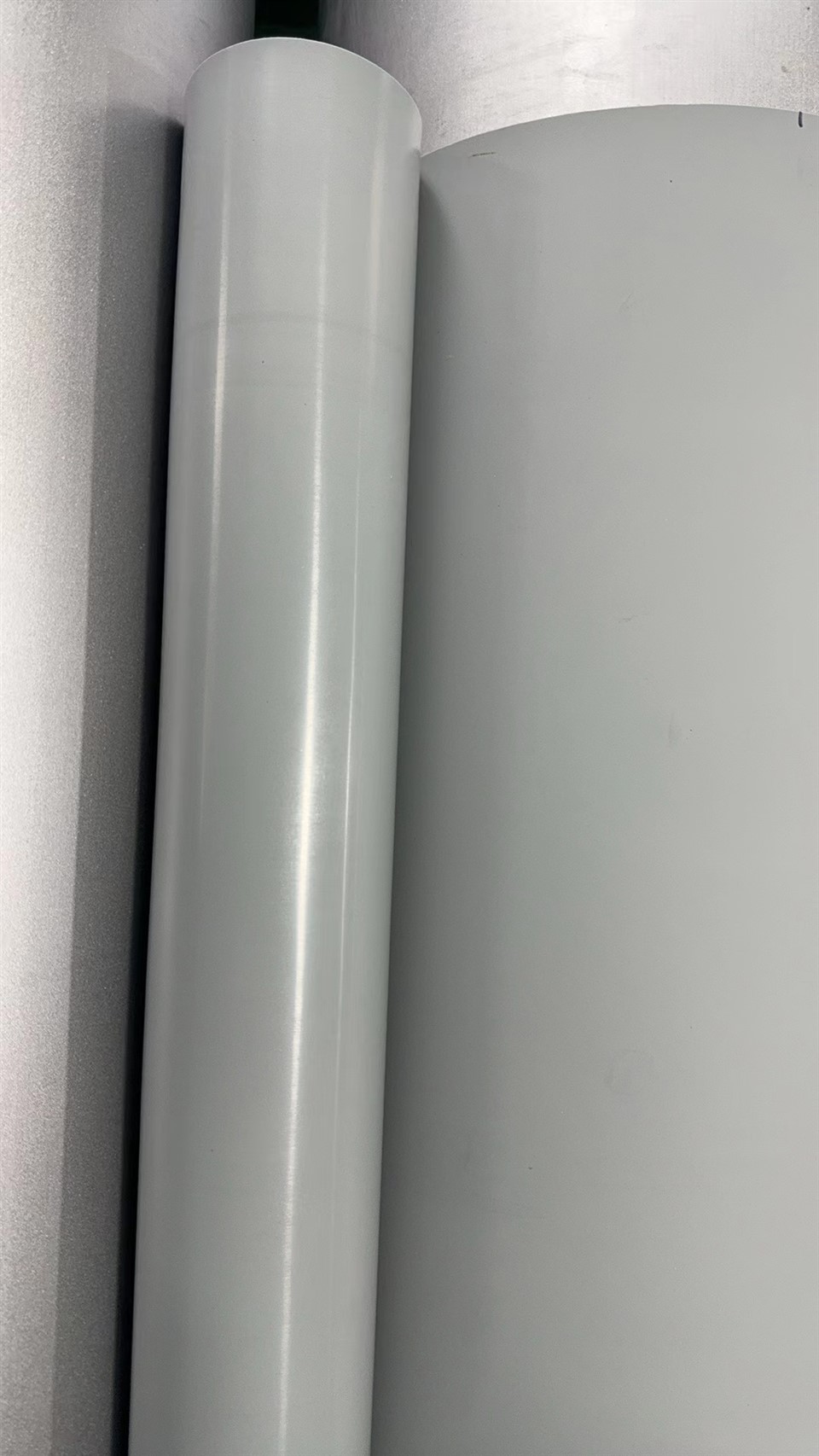
The Vacuum Laminator Silicone Sheet is designed with high - temperature resistance and transparency, which can be used in some medical manufacturing processes, such as in the production of medical devices using vacuum - laminating techniques.
Conclusion
In conclusion, foam silicone sheets have great potential for use in medical applications due to their unique properties such as biocompatibility, chemical stability, thermal stability, elasticity, and flexibility. They can be used in a variety of medical products, from wound dressings to implantable devices. However, challenges such as cost and regulatory compliance need to be addressed.
If you are interested in exploring the use of foam silicone sheets in your medical products or have any questions about our product offerings, we encourage you to contact us for a procurement discussion. We are committed to providing high - quality foam silicone sheets that meet your specific medical needs.
References
- ISO 13485:2016, Medical devices - Quality management systems - Requirements for regulatory purposes.
- Textbooks on medical materials science and engineering.
- Research papers on the use of silicone materials in medical applications.